The Death of the Bulky Gadget
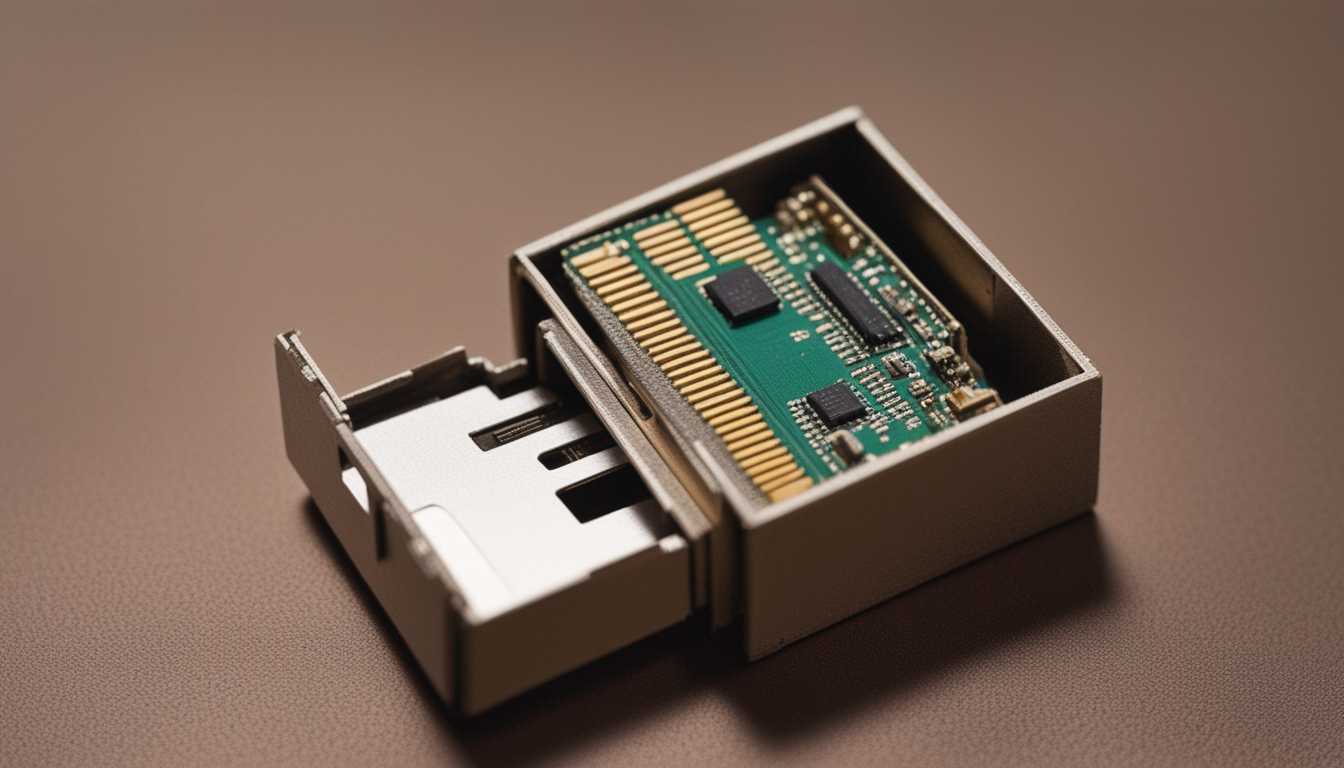
There was a time when “portable” meant “fits in a backpack if you don’t pack lunch.” Today, that same label might apply to something smaller than a matchbox. If you’re new to the world of ultra-compact technology, this shift can feel almost magical. It’s not magic—it’s a steady engineering trend toward doing more with far less space. Why Gadgets Got Tiny Think of a gadget as a small city. Early designs spread every building across a wide landscape, with long roads connecting them. Miniaturization is like rezoning that city into one efficient high-rise: more things happen on the same floor, and the pathways between them get shorter. Engineers achieved this by shrinking the basic building blocks—transistors—so millions more can fit into the same area. They also learned to combine separate jobs, like processing, memory, and wireless communication, into a single compact module. ...