The Whisper of Circuits: What If Ambient Computing Never Wanted Our Attention?
We’ve spent two decades training ourselves to look at screens. We glance, tap, swipe, and scroll. But what if the true trajectory of ultra-compact technology isn’t about making screens smaller, but making them disappear altogether? That’s the quiet revolution happening right now: the philosophy of “less screen, more ambient computing.” It’s not a rejection of technology—it’s a renegotiation of how it enters our lives.
Consider a strange thought experiment. Imagine if, in the early 2010s, we had collectively decided that the smartphone’s all-in-one approach was a dead end. Instead of cramming cameras, maps, email, and games into a single glowing slab, we pursued a different path: a constellation of tiny, single-purpose devices that lived on our bodies and in our spaces. We wouldn’t have “smart” everything. We’d have aware everything.
This alternative history is already unfolding. Miniaturization isn’t just about shrinking processors; it’s about shrinking intent. A device the size of a button that detects your posture and gently vibrates your shirt collar. A tiny sensor on your coffee cup that learns your brew preferences without a single app. These aren’t gadgets demanding your gaze—they are environmental cues, whispers of data woven into fabric and furniture.
This shift changes our relationship with technology from master-and-servant to partner-and-environment. When a device is no bigger than a grain of rice, you stop thinking of it as a “tool.” It becomes an invisible utility, like indoor plumbing or electricity. The anxiety of “notifications” vanishes because there is no screen to illuminate. The feedback is haptic, auditory, or simply behavioral—your thermostat adjusts before you feel cold, your home lighting shifts before you finish a sentence.
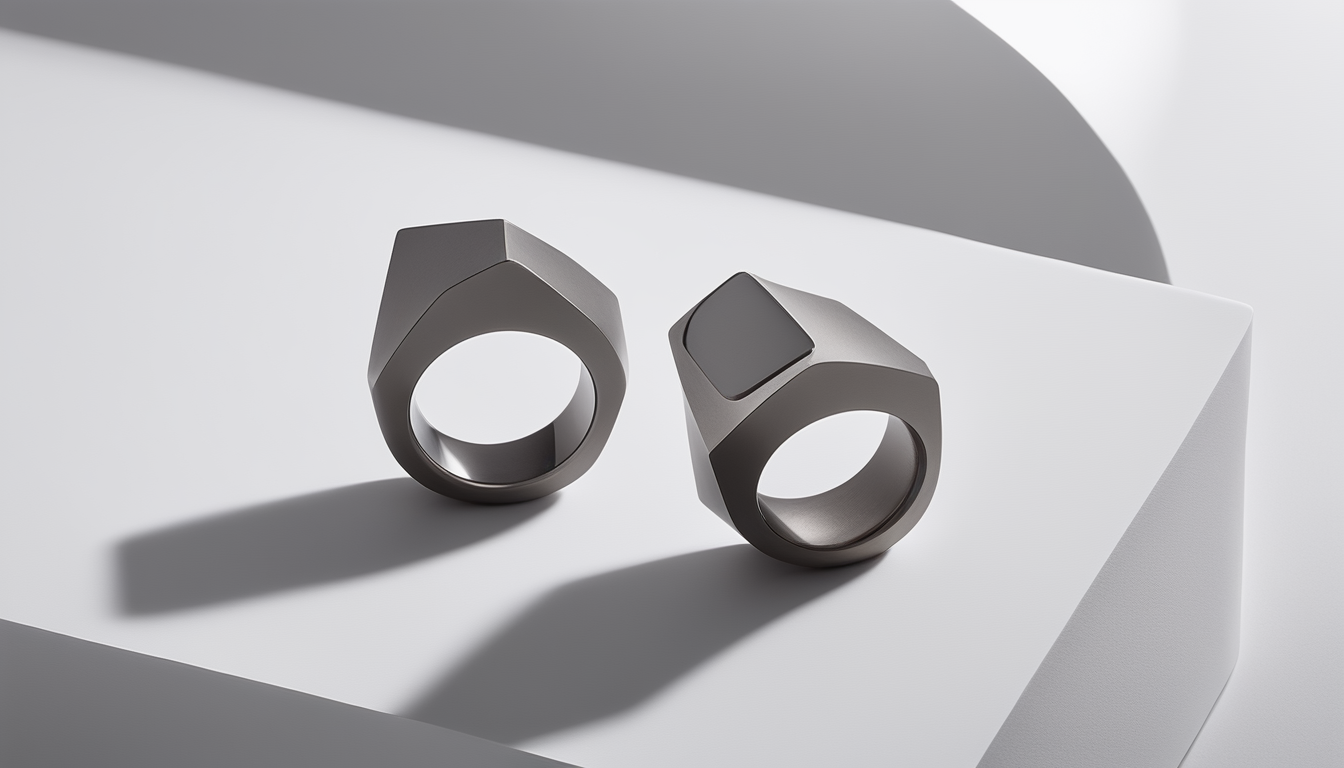
The trend toward single-purpose devices over multi-function is the backbone of this ambient future. It sounds counterintuitive in an era of super-apps, but there’s profound elegance in a device that does one thing perfectly. A smart ring that only tracks sleep. A small tile that only reminds you to hydrate. They lack the friction of a general-purpose OS. They don’t seduce you into doomscrolling. They exist to serve, not to sell your attention.
Predictions for Ambient Computing in Daily Life
Over the next five years, expect the quiet invasion of “unconscious interfaces.” Your car’s dashboard will stop showing you maps and instead feel the road conditions, sending a subtle pulse to your steering wheel. Your walls will sense your mood via micro-gestures and adjust soundscapes accordingly. The ultimate prediction: we will reach a point where the most advanced technology in your home is the one you never consciously interact with.
The ultimate irony? The most profound computing experiences of the 2020s might be the ones we never see. They’ll be the soft hum of a system that knows you, doesn’t interrupt you, and quietly fades into the background. That’s the real promise of ultra-compact tech: not to be smarter, but to be quieter.