Daily AI-powered insights. Pure information. No sales pitch.

Tiny Tech, Massive Impact: The Miniaturization Revolution
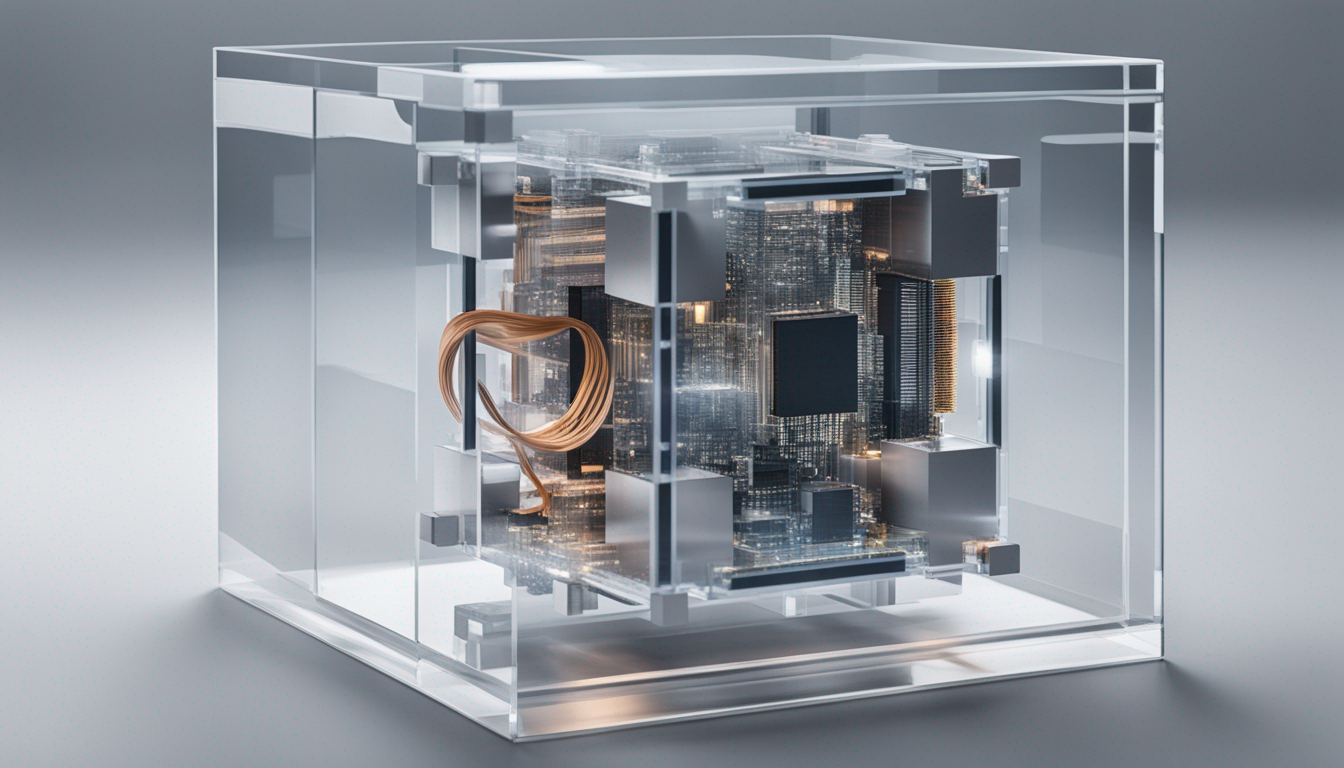
The most impressive gadget in the room may soon be the one you can’t see. Miniaturization has moved past “smaller phones” into a new phase: tiny sensors, flexible batteries, edge AI, and precision packaging are turning ordinary objects into quietly capable computers. Over the next two to three years, the winning products won’t just be compact—they’ll be distributed, ambient, and almost invisible. The Shrinking Stack Goes Modular The next leap isn’t one breakthrough; it’s the compounding effect of several. System-in-package designs are packing more compute into less space, solid-state batteries are improving energy density, and ultra-wideband radios are making precise spatial awareness cheap. By 2027, expect more gadgets to behave like interchangeable modules: a pocket projector that borrows power from a phone, a clip-on camera that upgrades AR glasses, or a coin-sized tracker that handles payments and access. ...
The End of the Smartphone Era
The most powerful computer you own is also the most disposable thing you carry. That slab of glass in your pocket packs more silicon than a 2010 data center, yet it’s still a single-purpose brick the moment the screen cracks or the battery fades. What’s replacing it isn’t another slab — it’s a swarm of tiny, specialized devices that each do one thing well and disappear into your day. Welcome to the ultra-compact era. Here’s how to get oriented without buying junk. ...

Why Wearable Tech Is Getting Invisible
The most advanced wearable in the room might be the one you can’t see. No glowing screen. No chunky bezel. Just a thin band, a nearly weightless ring, or a pair of glasses that look ordinary—until they quietly do extraordinary things. That’s the promise of ultra-compact technology: miniaturized gadgets that disappear into daily life while artificial intelligence does the heavy lifting. The Shrinking Stack Miniaturization is no longer just about making components smaller. It’s about making entire systems smarter. Flexible circuit boards, micro-electromechanical sensors, solid-state batteries, and low-power radios now fit into spaces that were impossible a decade ago. The result is a new class of wearables that feel less like gadgets and more like accessories. A smart ring can pack NFC, motion sensing, and a tiny antenna into a shell thinner than a coin. Smart glasses can hide a camera, microphone, and display inside a frame that doesn’t scream “tech.” The hardware is vanishing—but the capability is expanding. ...
Why the Best Gadgets Are the Ones You Don't Notice
The most impressive gadget in your home is probably the one you’ve stopped noticing. Not the phone glued to your hand — the little sensor on the door, the dongle behind the monitor, the earbud case that’s become a permanent resident of your pocket. The moment a piece of technology becomes invisible, it has usually solved the hardest problem in engineering: fitting into a life instead of demanding attention. Two Schools of Miniaturization There are essentially two philosophies at war in ultra-compact design, and they produce very different objects. ...
How Miniaturization Is Solving Tech Fatigue
Your nightstand tells the story: a tablet you bought for “productivity” now buried under receipts, a smart speaker that mostly ignores you, and a charging cable for a device you can’t quite remember. Meanwhile, the gadget you actually touch every day is the one that disappears into your pocket. That’s not an accident—it’s a behavioral signal. As tech fatigue sets in, miniaturization isn’t just an engineering flex. It’s a psychological relief valve. ...
The Most Powerful Gadgets That Fit in Your Pocket
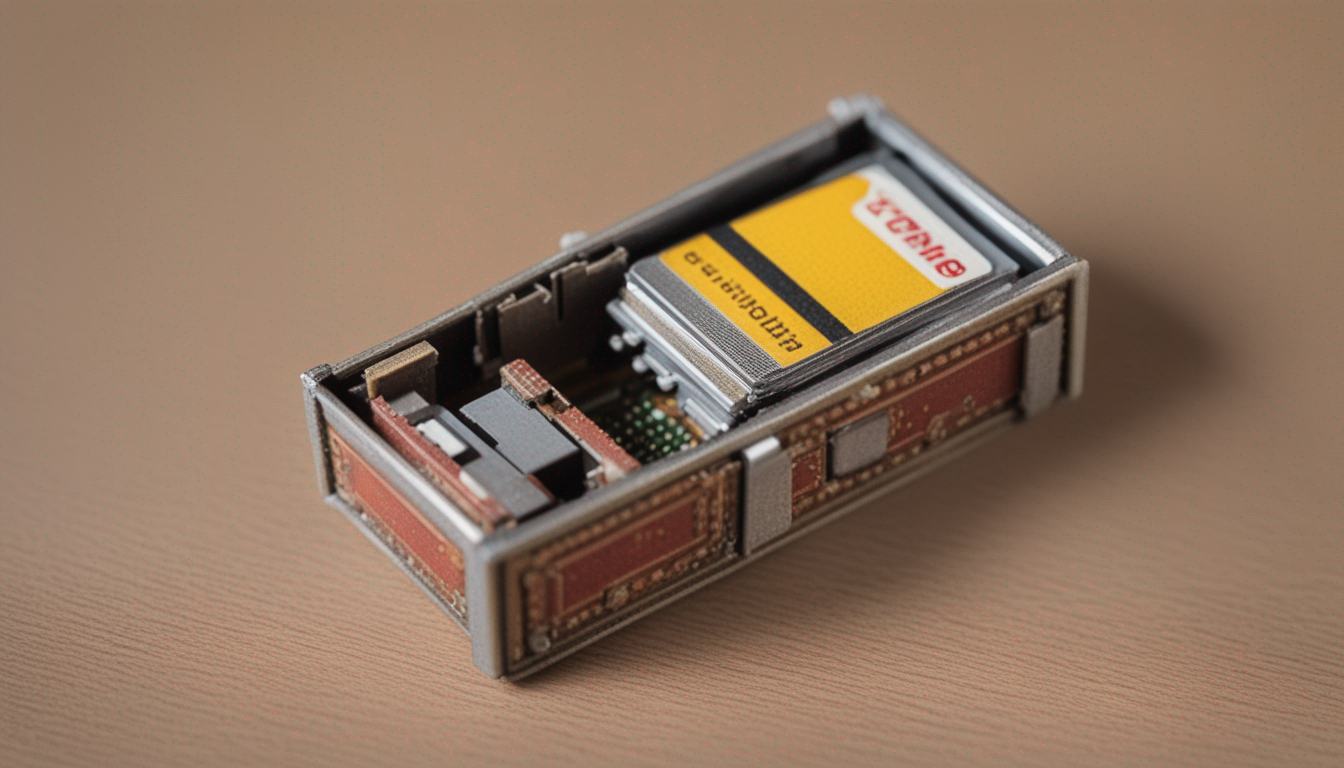
Your phone holds more computing power than the guidance system that landed humans on the Moon, and it does it while sitting silently against your leg. But the genuinely interesting story of miniaturized gadgets isn’t raw specs — it’s the quiet engineering decisions almost nobody notices. Those overlooked details are where the underrated ideas live. The Bottleneck Isn’t Silicon — It’s Heat Chips keep shrinking, but heat doesn’t care about your roadmap. A processor the size of a fingernail can still generate enough thermal load to throttle itself within minutes of sustained work. That’s why the best ultra-compact devices are designed around dissipation first: vapor chambers, graphite spreaders, and aluminum unibodies that double as heatsinks. When you evaluate a pocket-sized gadget, look at how it manages heat rather than what its benchmark score claims. A slightly slower device that never throttles will outperform a faster one that does. ...
The Rise of Ambient Computing: Tech You Forget You're Wearing
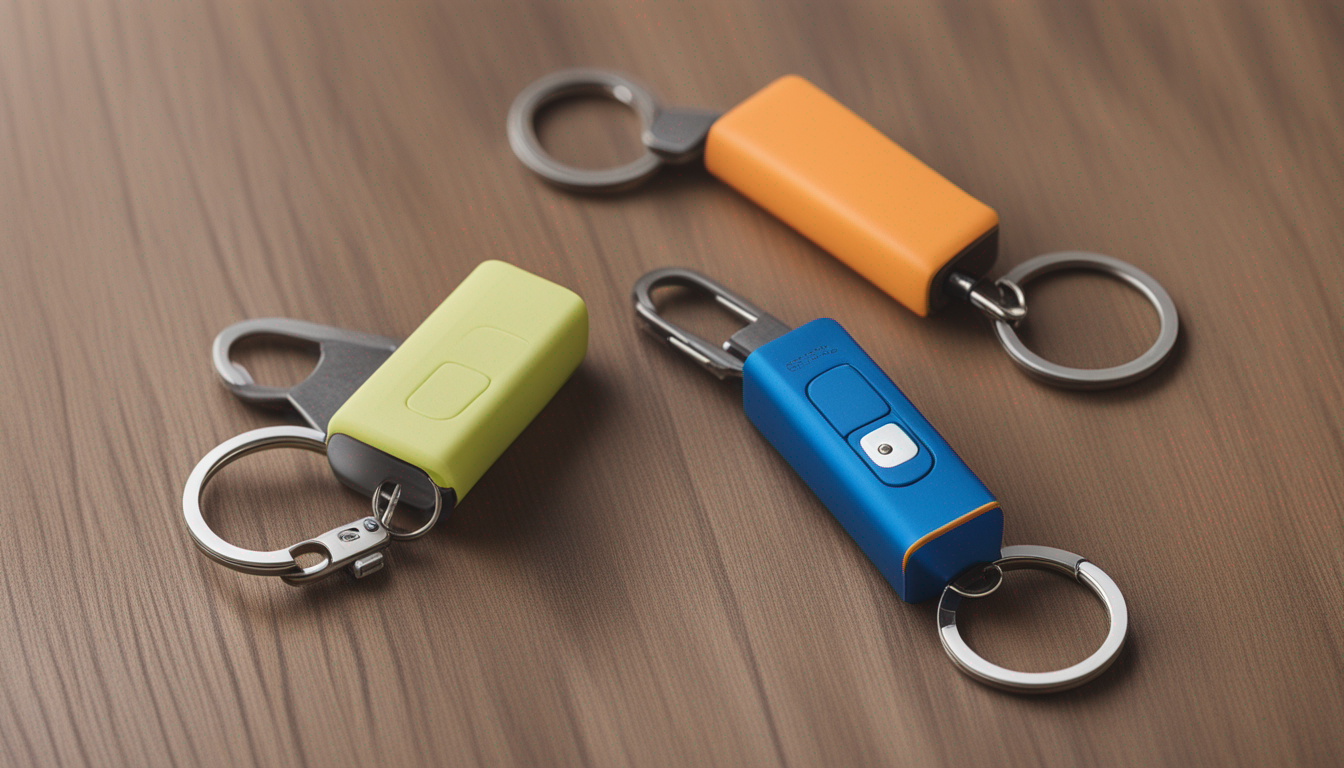
The most consequential computer of the next decade may not have a screen at all. It will be a ring on your finger, a pair of glasses that look unremarkable, a coin-sized sensor adhered to a wall, a mesh of microphones you stopped noticing weeks ago. Ambient computing is the logical endpoint of sixty years of miniaturization: rather than carrying technology to a device, we scatter devices into the world and let them dissolve into it. ...
How I Replaced 5 Devices With 1 Credit Card-Sized Tool
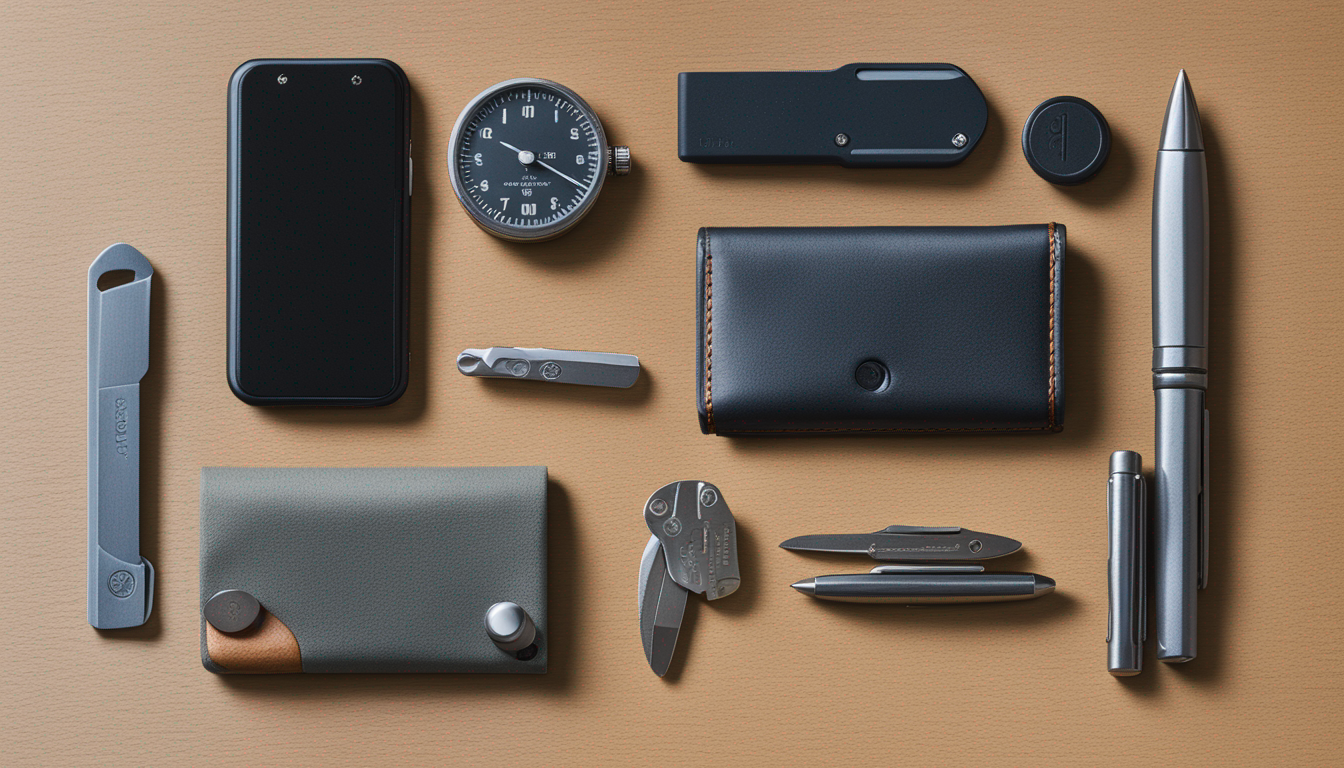
I used to leave the house with a pocket full of plastic rectangles: a wall charger, a USB adapter, a storage drive, a phone stand, and a camera remote. One afternoon, I dumped all five on the counter and realized they collectively did less than a single paperback book — but weighed three times as much. That started a consolidation project that changed how I think about miniaturized gadgets. Here’s the exact framework I used. ...
Why Your Next Computer Might Be the Size of a Coin
Imagine a world where you don’t upgrade your laptop. Instead, you buy a sheet of thirty peel-and-stick processors the size of sesame seeds, each one packing more punch than last year’s flagship desktop. That’s the “what if” scenario quietly brewing in ultra-compact engineering circles. The Great Unbundling of Computing For decades, miniaturization meant shrinking the same basic architecture: screen, battery, processor, casing. But what if we stop thinking of a computer as a single object? A coin-sized computer could be a temporary guest in a larger device, like a hermit crab borrowing a shell. ...
The Tech That Disappears Into Your Life
There’s a quiet magic in pulling a gadget from your pocket that once would have required a backpack. I watched a friend unplug a thumb-sized media player, plug it into a hotel TV, and stream a full movie library. Her takeaway wasn’t awe—it was skepticism. “That seems too small to last,” she said. That moment captures the biggest blind spot in ultra-compact tech: we keep judging miniature devices by the rules of their bulky ancestors. ...