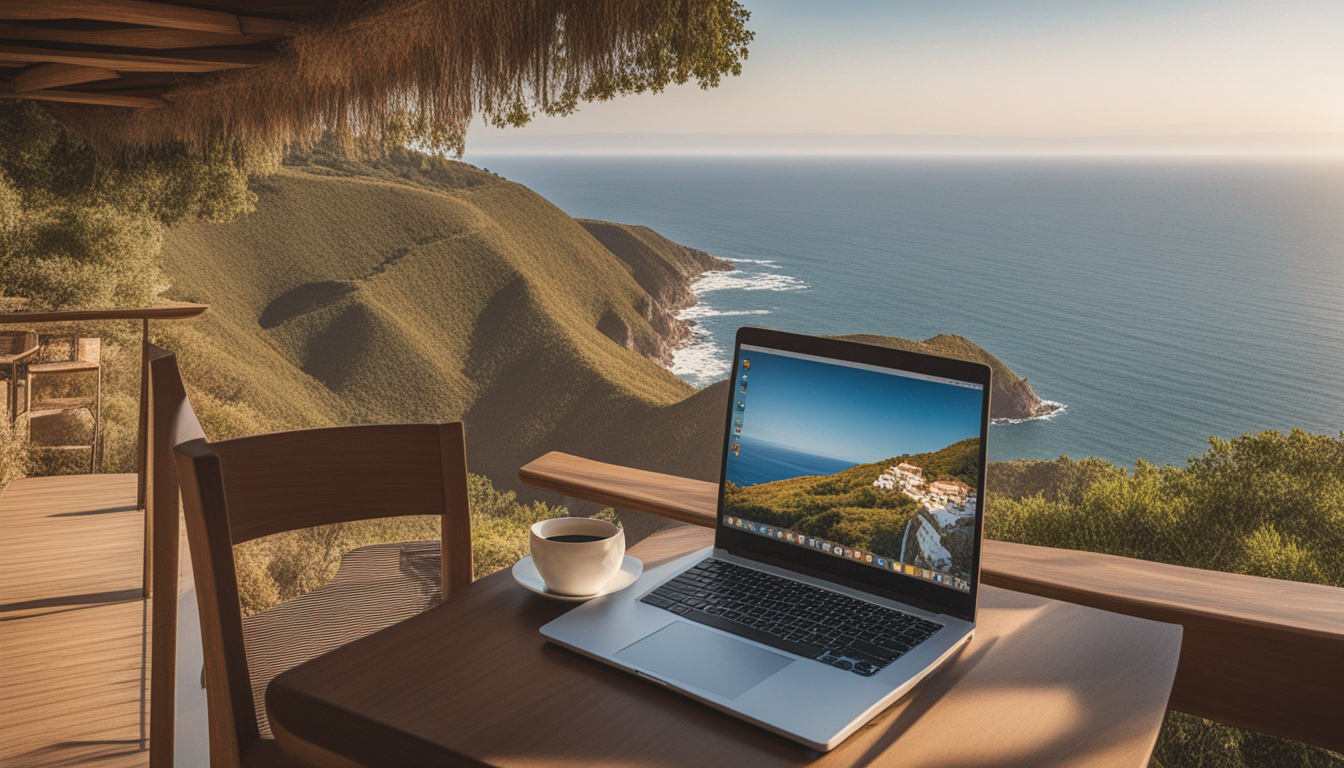
Everyone says the dream is to burn your address book, sell your couch, and chase Wi-Fi from a different time zone every month. I tried that. It nearly turned me into a lonely, sleep-deprived ghost with a million browser tabs open and no real home. So I killed the fantasy and built something better: I travel three days a week, every week, without ever becoming a full-time nomad.
The remote work world has a dangerous assumption baked into it: if you’re not permanently rootless, you’re doing it wrong. That’s nonsense. Permanent travel doesn’t automatically make you more creative, focused, or fulfilled. It often makes you worse at your job because you’re spending half your brainpower on bus schedules, SIM cards, and finding a chair that doesn’t wreck your back. Micro-nomadism flips the script. You keep a home base, but you inject enough novelty into your routine to stay sharp.
Here’s the contrarian part: travel should be a tool for deeper work, not an escape from it. Many remote workers believe a new city will magically fix their procrastination. It won’t. If you can’t focus from your kitchen table, you won’t focus from a beachside café — you’ll just have sand in your keyboard and a weaker internet signal. I use three-day trips as a reward after finishing a major block of work. The trip becomes a pressure valve, not a productivity crutch.
Another flawed belief is that community and stability are boring. Full-time nomads often collect shallow hellos in co-working spaces but rarely build the kind of friendships that survive a bad month. My micro-nomad setup lets me keep a local dinner crew, a gym buddy, and a neighbor who waters my plants. Then, for three days, I disappear into a new town, eat something unfamiliar, and come back refreshed. Home isn’t a cage. It’s the launchpad that makes the travel meaningful.
Micro-nomadism also respects the deep work rhythm. Constant movement creates decision fatigue — where to sleep, what to eat, how to get there. Short, predictable trips eliminate most of that noise. I leave on the same day each week, stay within a two-hour radius, and keep my work hours identical. The scenery changes, but my workflow doesn’t. That’s the whole point.
Three actionable takeaways:
- Choose a 48-hour travel window every week and treat it as a working retreat, not a vacation. Keep the same start and stop times for your job.
- Stay within a two- to three-hour radius. Skip airports entirely. Trains, buses, or short drives get you there with energy intact.
- Anchor your routine to identity, not location. Same breakfast, same opening task, same shutdown ritual — no matter what street you wake up on.
🛍️ Recommended Products
This article contains affiliate links.This helps support our research at no extra cost to you
1. ARCHXX Screen Wipes for Electronics
120 Count 6x6 Pre-Moistened Screen Cleaner for Screens 💰 $9.99 | ⭐ 4.3/5