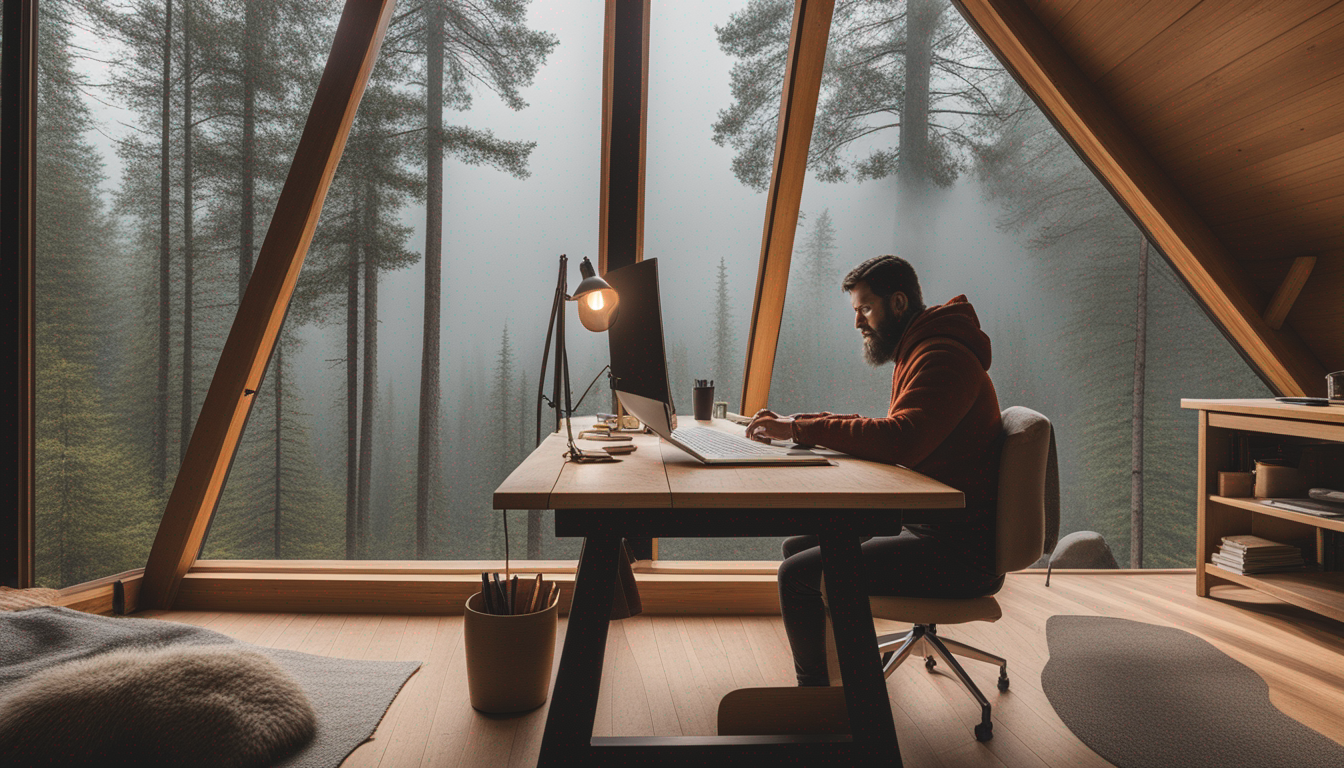
You’re tucked into a diner booth in a town you passed through on a whim, halfway through a stack of pancakes, when the solution to a problem that’s been chewing on you for weeks suddenly snaps into crisp focus. The laptop is open, but the real work happened in the 90 minutes of unfamiliar scenery on the drive in. That’s the quiet magic of the micro-nomad radius—roughly 200 miles from your doorstep, a distance you can cover on a half-tank of gasoline and a good playlist. It’s far enough to jolt your brain into a different frequency, yet close enough that the logistics never feel like a second job. Among remote workers who swear by this rhythm, two distinct schools of thought have taken shape, and understanding their contrast is the key to making the mileage work for you.
The first camp I’ll call the Anchor-and-Sprinters. These folks treat a two-night stay in a quiet cabin or a borrowed apartment like a productivity pressure cooker. They arrive with a pre-set task list, a designated workspace, and a reverence for the walls that don’t whisper about laundry or grocery runs. The entire trip is built around output: three deep-work sessions a day, walks timed to the minute, a single grocery shop on arrival. The lack of familiar friction—no neighbor’s dog, no doorbell—creates a tunnel of focus that can make a Tuesday afternoon feel like a superpower. The strength here is undeniable: you return home with a completed project and a clear mind. The blind spot, though, is that this approach can turn a getaway into a glorified satellite office, where you’ve simply swapped one set of four walls for another. Serendipity rarely knocks on a locked screen-time schedule.
Then there are the Ripple-Seekers. They take the opposite approach, treating the 200-mile radius like a living mood board. A Ripple-Seeker might wake up in one small town, work from a sunlit library carrel until noon, then drive 30 minutes to a trailhead town for an afternoon of call-free drafting from a picnic table. They stay in guest rooms of acquaintances, follow a local’s dinner recommendation, and let the day’s energy dictate whether they’re coding until midnight or closing the lid early to watch a community theater rehearsal. The fuel here is inspiration, not a checklist. This often leads to surprising breakthroughs—an offhand chat with a farmer might untangle a marketing narrative, a street mural rewires a design block. The price, of course, is that Wi-Fi roulette and lack of structure can leave a to-do list weeping in a corner by Thursday.
The two philosophies seem at odds, but the most effective micro-nomads I’ve encountered quietly blend them. They might anchor a morning of sprints and then cut the rope by early afternoon, wandering without a plan. The 200-mile sweet spot works because it offers just enough unfamiliarity to crack stale thought patterns without demanding the high cognitive overhead of true long-haul travel. You’re a visitor with a return ticket, which gives you permission to care deeply about the work in front of you and then leave it on the motel nightstand when the light outside turns golden.
Actionable Takeaways
- Try a 48-hour format experiment. On your next short escape, go all-in on the Anchor-and-Sprint style. Book a single location, pack a lean task list, and ruthlessly protect two deep-work windows. Measure whether the shift in walls alone multiplies your output.
- Schedule a monthly drift day. Pick a compass direction (not a destination) and drive until you feel a click of curiosity. Work from wherever you land—diner, library, park bench—with zero rigid agenda. Harvest every unexpected conversation or visual detail as raw creative fuel.
- Build a bridge between the two. Create a micro-nomad ritual that marries structure and fluidity: a morning routine that anchors you (same coffee, same journal prompt), followed by an open afternoon where
🛍️ Recommended Products
This article contains affiliate links.This helps support our research at no extra cost to you
1. TECKNET Compact Ambidextrous Wireless Mouse
2.4G Quiet Computer Mouse with USB Receiver, 3 Adjustable DPI Portable Cordless Mice for Chromebook, Laptop, PC, Mac 💰 $8.99 | ⭐ 4.4/5
2. PlayHot Portable Handheld Turbo Fan
5 Gear Wind, USB-C Rechargeable Fan, Up to 12 Working Hours, 3 IN 1 Hand Fans with Air Turbo Tech Cooling Fan for Outdoor Activities, Travel, Beach 💰 $16.98 | ⭐ 4.7/5