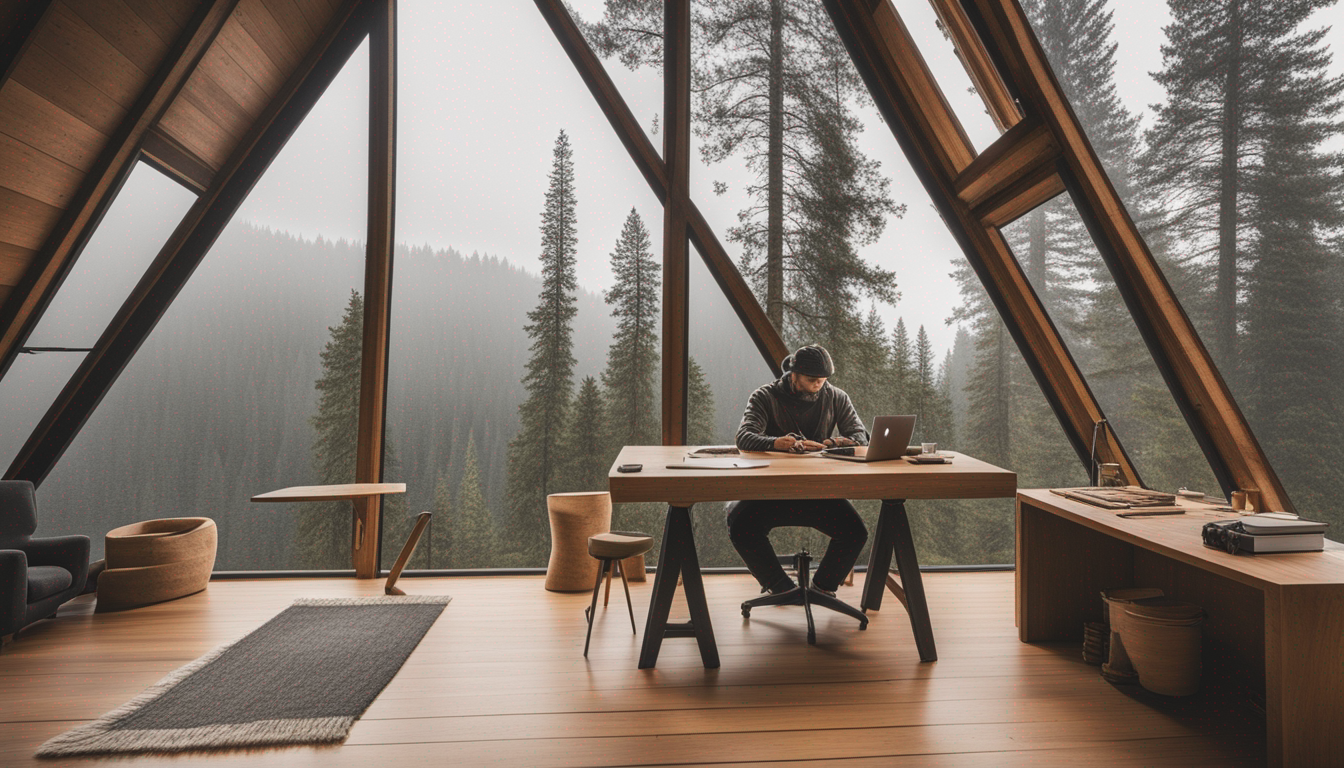
How to Stay Connected While Working Off-Grid
Picture a remote worker finishing a client call in a village hall, then walking ten minutes to a neighbor’s kitchen table because the host has introduced her to the local librarian, the café owner, and two other remote workers passing through town. What if that—not the fastest connection—became the defining advantage of the micro-nomad lifestyle? The What-If Shift: From Signal Hunting to Social Infrastructure The conventional path for micro-nomads is to chase reliable connectivity and treat every stop as a short-term base. The alternative future is more interesting: what if remote workers deliberately chose places where they could plug into local social infrastructure? In this scenario, a micro-nomad stays two to six weeks, arrives with a clear communication plan, and works with a local anchor—a guesthouse owner, community organizer, or coworking host—who makes introductions and helps them understand the town’s rhythms. Connection becomes a design problem, not a lucky accident. ...