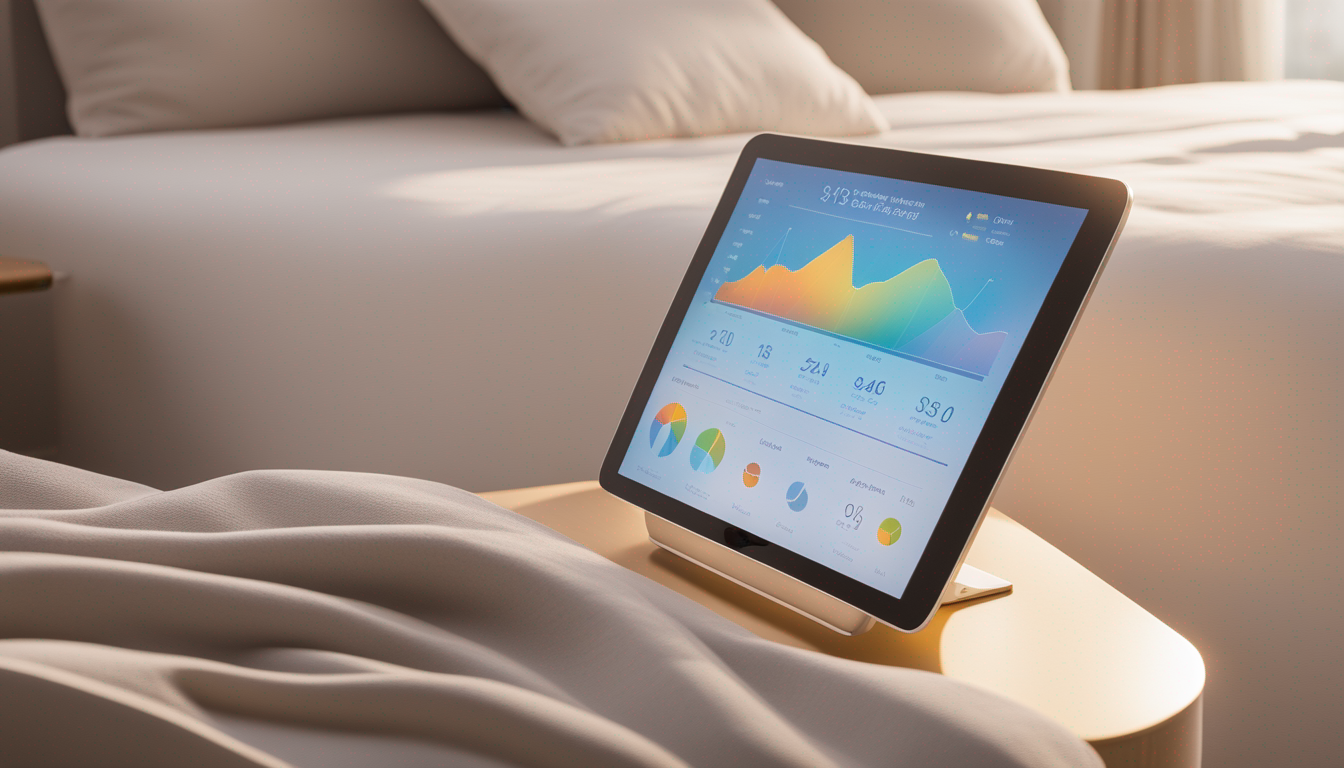
Imagine a weather app that gave every city on Earth the same forecast: “Partly cloudy, 72°F.” You’d never trust it for a trip to Oslo or Mumbai. Yet for decades, that’s exactly how health guidance worked—broad rules applied to billions of unique bodies. That era is ending fast.
The next two to three years will quietly dismantle generic wellness advice. Instead of “eat more vegetables” or “exercise 150 minutes a week,” you’ll get a health operating system built around your own biology. Think of it as moving from a paper map to a real-time GPS for your body.
The Rise of Biological Fingerprints
DNA analysis is leaving the novelty phase and entering clinical practice. Within a few years, polygenic risk scores—calculations based on thousands of small genetic variations—will help predict your odds for conditions like type 2 diabetes, heart disease, and even mental health challenges before symptoms show up. That means a 35-year-old with a high genetic risk for hypertension might start targeted prevention a decade earlier than standard guidelines suggest.
Pharmacogenomics is another piece. Your liver enzymes process medications differently than your neighbor’s. Soon, routine genetic testing will tell doctors which pain reliever, antidepressant, or blood thinner works best for your specific metabolism—no more trial-and-error prescriptions.
Continuous Data, Not Annual Snapshots
Wellness tracking is moving beyond counting steps. Wearables and at-home sensors will increasingly monitor glucose trends, heart rate variability, sleep architecture, and even subtle shifts in skin temperature or breath chemistry. The magic isn’t the data itself; it’s the interpretation layer.
AI in healthcare will act as a tireless translator. Instead of you staring at a sleep score, an AI health coach might notice that your deep sleep drops whenever you eat late, your resting heart rate spikes after high-intensity workouts, and your glucose stays elevated after certain meals. It can then suggest one small change—not a generic list of ten.
Digital Twins and Predictive Medicine
A powerful trend coming in the next 2–3 years is the “digital twin.” Researchers are building computational models of individual organs or metabolic systems. Feed in your genetics, lab results, wearable data, and gut microbiome profile, and the model can simulate how your body might respond to a new diet, a medication, or a lifestyle change before you try it in real life.
This flips healthcare from reactive to predictive. Instead of waiting for illness, you’ll run experiments on a virtual version of yourself. The technology won’t be perfect, but early versions will help oncologists predict tumor response and cardiologists optimize drug timing. The same logic will trickle into everyday wellness.
Actionable Takeaways
Start building your baseline now. Get a comprehensive blood panel and, if appropriate, consider genetic screening. You can’t spot a trend without knowing your starting point.
Track patterns, not perfection. Choose a wearable or at-home monitor that captures continuous data like sleep, heart rate variability, or glucose—and review weekly trends rather than daily spikes.
Ask your clinician about pharmacogenomic testing before starting any new long-term medication. Knowing your enzyme profile can save months of side effects and guesswork.
🛍️ Recommended Products
Some links below are affiliate links. We may earn a commission at no extra cost to you.
1. TheraFlow Foot Roller for Plantar Fasciitis Relief
Neuropathy Pain Relief for Feet - Wooden Foot Massager Roller 💰 $19.99 | ⭐ 4.5/5