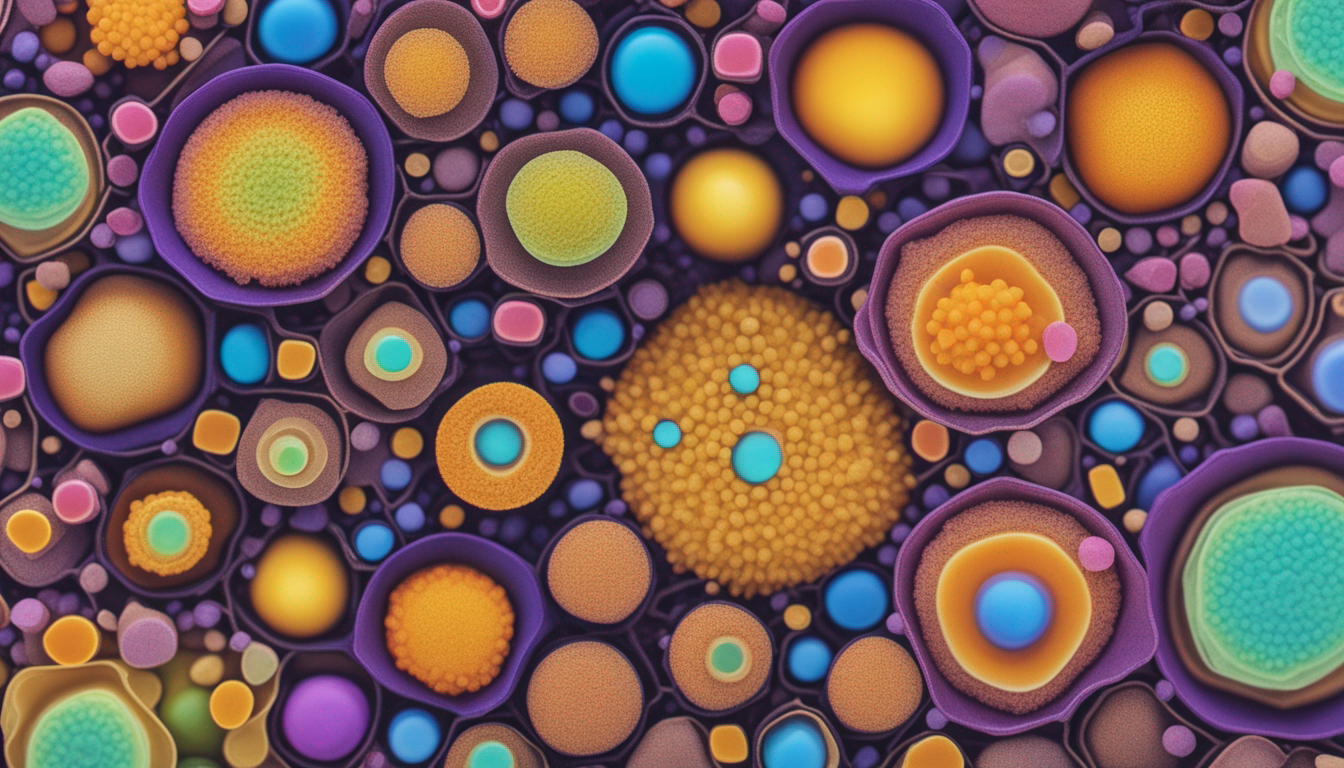
Picture this: every meal you eat triggers a cascade of whispers — not from your stomach, but from the trillions of microbes living in your gut. They’re sending signals about inflammation, energy, and even your mood. For decades, we ignored this internal chatter. Now, hyper-personalized health technology lets us translate it into a daily playbook for feeling better. The question isn’t whether your microbiome is communicating; it’s whether you’ve learned to listen.
Hyper-personalized health isn’t about following glossy one-size-fits-all diets or wearing a step counter. It’s about decoding your unique biological language—the interplay between your DNA, gut bacteria, blood sugar swings, and sleep rhythms—using AI that stitches these streams into a coherent story. Instead of guessing which foods spike your energy, you run a tiny experiment. Instead of wondering why you crash at 3 p.m., your data reveals the exact chain reaction. This sounds futuristic, but the framework is remarkably practical once you break it down.
The Four-Step Listening Framework
You don’t need a lab coat or a medical degree. You need a system.
Step 1: Map Your Baseline Biology
Start with two foundational data layers. First, a simple DNA analysis (from a saliva sample) can reveal how your body metabolizes caffeine, processes fats, or responds to specific types of exercise. Second, a gut microbiome test—done at home with a tiny stool swab—gives you a snapshot of your bacterial composition, including diversity and markers linked to digestion and immunity. No brand names needed; there are multiple accessible services. This isn’t diagnostic, it’s a compass.
Step 2: Layer in Real-Time Signals
Historical maps are static. To make health truly personal, you need live feedback. A wearable that quietly tracks heart rate variability, skin temperature, and overnight oxygen saturation can show how your body handles stress and recovery. If you want deeper metabolic insight, a continuous glucose monitor (CGM) worn for a fortnight reveals how specific meals—down to the exact banana or bowl of pasta—spike your blood sugar. Pair this with a simple journal where you log energy, focus, and gut comfort after eating.
Step 3: Let AI Spot the Patterns You’d Miss
This is where the magic happens. Upload your DNA, microbiome, and sensor data into a secure, privacy-focused platform that uses machine learning. The algorithm doesn’t give generic advice; it connects dots like: “On days when your sleep deepness dips below 40 minutes, your glucose response to lentils increases by 15%, and your next-day gut discomfort score rises.” Suddenly, your midafternoon slump isn’t a mystery—it’s a predictable cascade. The AI might suggest a post-dinner walk or swapping morning toast for eggs, but it’s based on your wiring.
Step 4: Run N-of-1 Experiments
Treat every suggestion as a hypothesis. Try the swap for five days while tracking the same metrics. Did your glucose variability flatten? Did your microbiome diversity score inch upward on a retest three months later? Frame each change as a small, reversible tweak. Over time, you’ll build a personal health playbook that’s far more precise than any population-wide guideline.
Three Takeaways to Start Listening Today
- Pick one signal first. Instead of drowning in data, begin with a single layer—like a gut microbiome test—and track how you feel alongside it for a month. You’ll learn more from observing one metric deeply than from juggling five.
- Tune into qualitative feedback. Numbers are noise without context. Every evening, write one sentence about your energy, digestion, and mood. AI models become exponentially smarter when you feed them this “ground truth.”
- Embrace the evolving blueprint. Your microbiome shifts with seasons, travel, and stress. Repeat testing periodically and treat your health insights as a living document, not a static report.
Your body is constantly broadcasting. The tools to tune in are finally here—quiet, continuous, and deeply personal. You just need to start the conversation.
🛍️ Recommended Products
Some links below are affiliate links. We may earn a commission at no extra cost to you.
1. Titanium Cutting Board for Kitchen
Cutting Board Double Sided Food Grade, Pure Titanium/PP, Easy to Clean Large Size 15”×10.3 💰 $29.55 | ⭐ 4.4/5