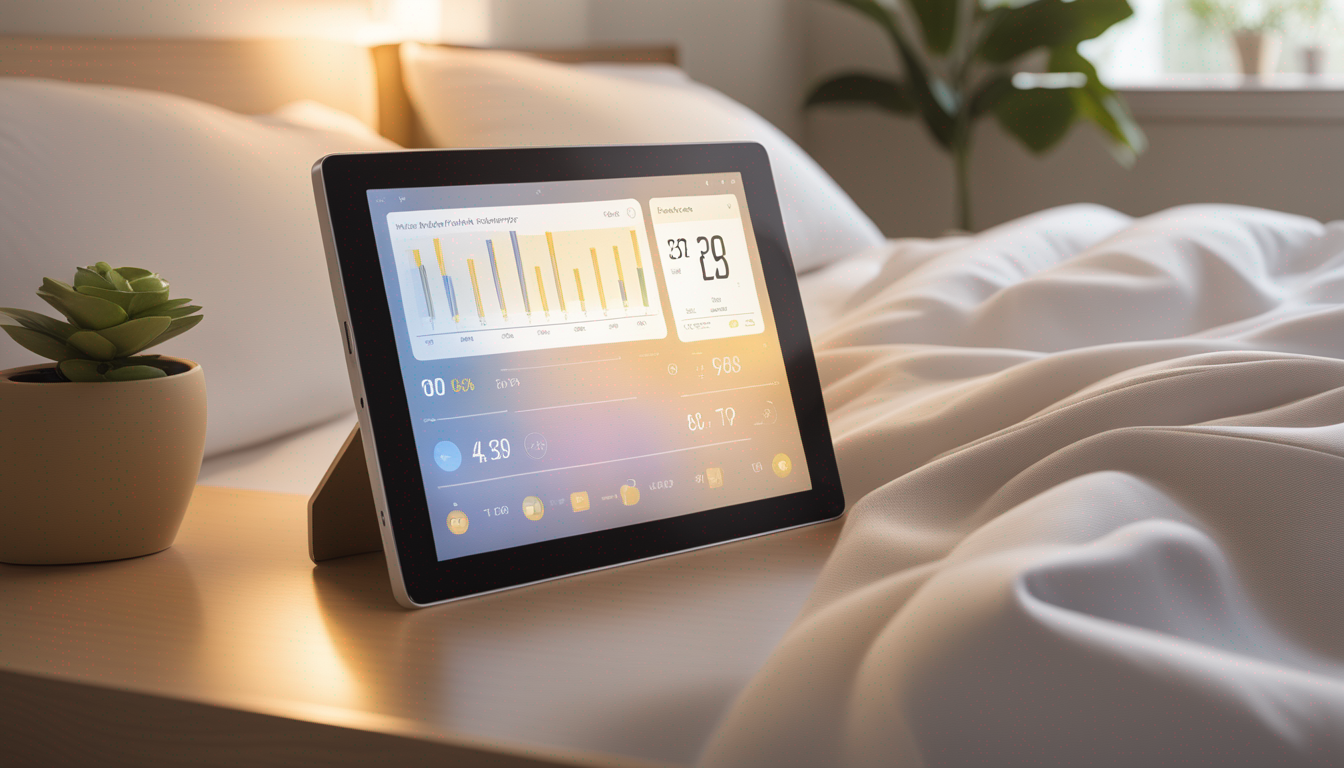
What if we never discovered DNA? Imagine a world where medicine remained stuck in the era of one-size-fits-all prescriptions, where your doctor prescribed the same blood pressure medication for a 25-year-old marathon runner and a 65-year-old retiree. That alternate reality might sound absurd, but it’s exactly where we were just a few decades ago. Today, we’re hurtling toward a future where generic wellness plans feel as outdated as dial-up internet. The real revolution isn’t just about having more data—it’s about what happens when your health plan knows you better than you know yourself.
The DNA That Rewrites Your Script
In our alternate timeline, we ignored the subtle signals in our biology. But in this reality, we’ve learned to listen. DNA analysis has moved beyond ancestry curiosities into actionable insights. Instead of guessing whether you’ll respond well to a certain diet or exercise routine, labs now scan your genome for markers tied to metabolism, inflammation, and nutrient absorption. A single cheek swab can reveal why your friend thrives on high-fat meals while you feel sluggish. This isn’t fortune-telling; it’s precision. By pairing your genetic blueprint with continuous data from wearable trackers—heart rate variability, sleep cycles, glucose levels—AI systems craft protocols that evolve with you. No more cookie-cutter plans. Your wellness becomes a living document, updated in real time as your body changes.
The AI That Knows Your Tomorrow
Here’s where the “what if” gets fascinating. Imagine an AI that doesn’t just log your steps but predicts your risk of a metabolic crash weeks before symptoms appear. In the generic past, you’d wait for a yearly checkup to catch problems. Today, algorithms analyze thousands of data points from your microbiome, blood work, and activity patterns to flag early warning signs. They can suggest tweaking your sleep schedule or adding a specific nutrient before you even feel off. This shift from reactive to proactive care flips the script: you’re no longer managing illness but optimizing vitality. The catch? It requires trust. You hand over intimate data, and the AI must prove it won’t sell you sneakers or insurance denials. But when it works, it feels like having a personal health concierge who never sleeps.
Three Takeaways to Own Your Wellness
- Start with one data stream. You don’t need a full genome map overnight. Pick a single metric—like your sleep quality or post-meal glucose—and track it for two weeks. See patterns emerge.
- Question the generic. If a health plan doesn’t account for your genetics, lifestyle, or real-time feedback, it’s a relic. Push for tools that personalize, not standardize.
- Think of AI as a partner, not a prophet. Use its predictions as prompts for curiosity, not commands. Your body still knows best—the tech just helps you listen louder.
🛍️ Recommended Products
Some links below are affiliate links. We may earn a commission at no extra cost to you.
1. Half Baked Harvest Quick & Cozy: A Cookbook
NEW YORK TIMES BESTSELLER • 120+ recipes for delicious, soul-warming comfort food . . . 💰 $17.49 | ⭐ 4.7/5
2. Oura Ring 4 - Smart Ring - Silver
Size 8 - Sleep, Activity, Women’s Health, AI Advisor, Up to 8 Days of Battery Life, Oura App, Android & iOS Compatible 💰 $349 | ⭐ 4/5