Daily AI-powered insights. Pure information. No sales pitch.
The Wearable That Knows You're Getting Sick Before You Do
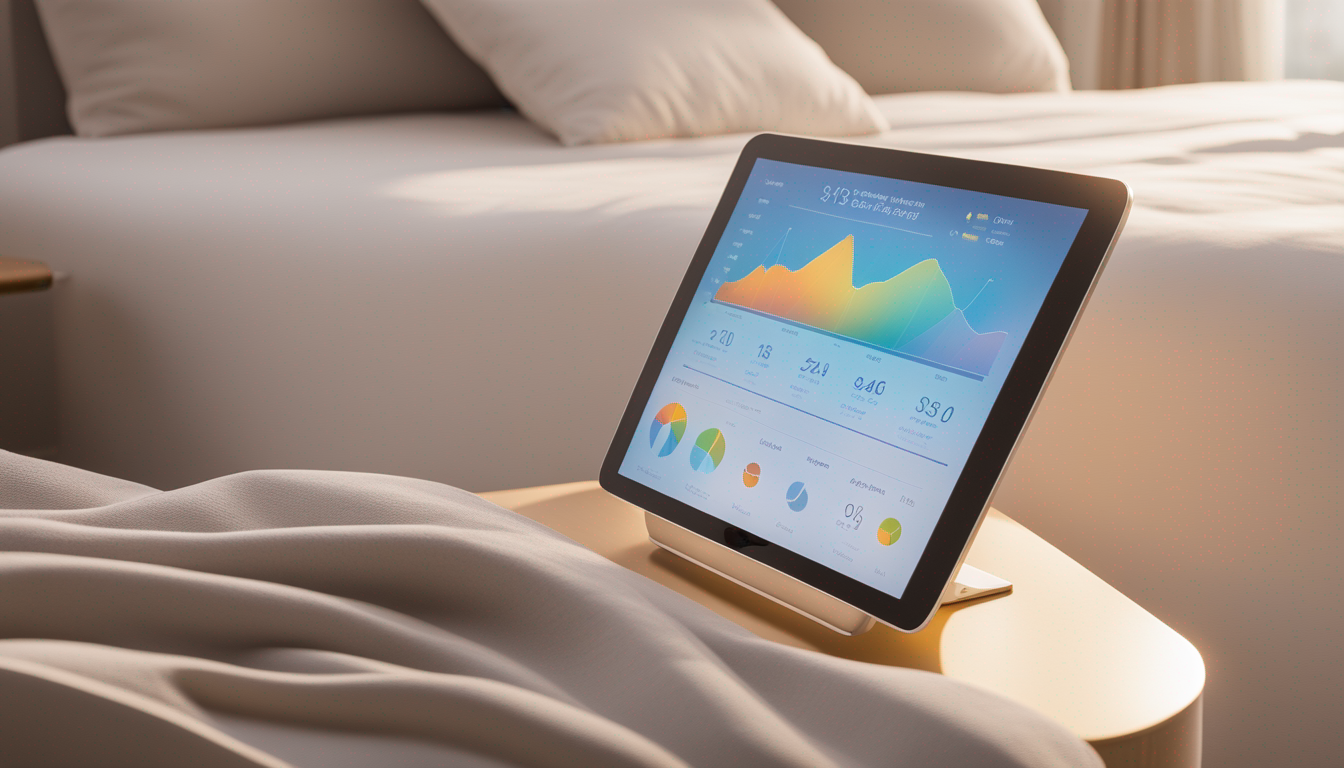
Your resting heart rate crept up four beats per minute. Your skin temperature drifted half a degree overnight. Your heart rate variability flattened for two nights running. You felt fine — until Thursday, when you didn’t. That scenario isn’t marketing fiction. It’s the premise of hyper-personalized health, and it’s buried under a pile of myths worth dismantling. Myth 1: Wearables Are Just Fancy Step Counters Reality: the step count is the least interesting number a wearable produces. The real output is a continuous baseline — heart rate variability, respiratory rate, skin temperature, blood oxygen — measured against you rather than a population average. AI models flag deviations from that personal baseline. In a 2021 study published in Nature Biomedical Engineering, researchers found that smartwatch data detected COVID-19 infection before symptoms appeared in a majority of participants. The signal isn’t the absolute reading; it’s the delta. ...
Why One-Size-Fits-All Health Advice Is Dead
Imagine a weather app that gave every city on Earth the same forecast: “Partly cloudy, 72°F.” You’d never trust it for a trip to Oslo or Mumbai. Yet for decades, that’s exactly how health guidance worked—broad rules applied to billions of unique bodies. That era is ending fast. The next two to three years will quietly dismantle generic wellness advice. Instead of “eat more vegetables” or “exercise 150 minutes a week,” you’ll get a health operating system built around your own biology. Think of it as moving from a paper map to a real-time GPS for your body. ...

Why Your Friend's Diet Won't Work for You
Your friend swears by a low-carb plan and drops ten pounds in a month. You try the same approach and feel foggy, hungry, and frustrated. Is it willpower? Probably not. The real reason sits in your cells, your microbes, and the way your body processes a single bite of food. Hyper-personalized health—an offshoot of personalized medicine—is replacing guesswork with data, and it’s easier to start than you think. The Fiction of the Universal Diet For decades, nutrition advice has operated like a weather forecast for an entire continent. It assumes everyone responds the same way to the same inputs. But your genes influence how ...
Why Two People Can Eat the Same Diet and Get Different Results
Two colleagues at the same office decide to follow an identical Mediterranean-style eating plan. Six weeks later, one feels sharper and has lost stubborn fat. The other feels exhausted, bloated, and sees no change. They ate the same meals, slept similar hours, and did the same workouts. The difference isn’t discipline—it’s hidden biology. Hyper-personalized health technology is finally making that biology readable. Your Body Speaks a Dialect, Not a Textbook Most dietary advice comes from population averages. But averages erase the messy, beautiful variation in how people process food. A banana may spike one person’s blood sugar while providing steady fuel for another. The difference can come from variants in genes that control insulin release, the composition of gut microbes that ferment fiber, or how quickly the liver clears glucose. Without measuring those layers, two people can follow identical plans and get opposite results. ...

The Blood Test That Predicts Your Future Health
Most blood tests are like reading yesterday’s newspaper—they tell you what already happened inside your body. But a new wave of hyper-personalized health is chasing something far stranger: a single blood draw that reads tomorrow’s weather before the storm hits. The idea isn’t science fiction anymore, but the way forward depends on which school of thought you trust. The Static Blueprint School One camp treats your DNA as a fixed architectural plan. Here, the focus is on inherited variants, polygenic risk scores, and family history. The argument is compelling: if you know you carry a higher genetic risk for heart disease or certain cancers, you can start preventive screening earlier. The strength of this approach is stability—your genome doesn’t change, so the data stays relevant for life. The weakness is that DNA gives you probabilities, not certainties. A genetic risk score can feel like a verdict, even when lifestyle choices dramatically change the outcome. ...

The Future of Healthcare Is in Your Pocket
You glance at your phone dozens of times before lunch, but you rarely think of it as a medical device. Yet the same pocket-sized screen that tells you the weather may soon predict how your body will metabolize tonight’s meal. That shift isn’t just technological; it’s deeply psychological. Why “Made for You” Beats “Good for Everyone” Generic health advice often fails because it asks people to care about population averages. Behavioral science shows that personal relevance is a powerful driver of attention. When a recommendation feels generated from your own DNA, sleep patterns, or heart-rate variability, it stops being abstract. It becomes a story about you, triggering what psychologists call self-referential processing—the brain prioritizes information connected to the self. ...

The Morning Routine Designed by Your Biomarkers
Your alarm clock is lying to you. It treats 6:30 a.m. as a universal truth, but your cortisol, glucose, and immune markers may be living in a completely different time zone. Hyper-personalized health isn’t about doing more measurements; it’s about realizing that your body’s morning needs shift daily. The Biomarker Most People Ignore: Variability Most wellness trackers obsess over averages—average sleep score, average resting heart rate. But the underrated insight is your day-to-day variability. A stable heart rate variability that suddenly swings downward for three mornings can signal accumulating stress or impending illness long before you feel it. Instead of following a rigid morning protocol, a biomarker-designed routine would ask: Did my cortisol awakening response rise sharply today? If yes, maybe delay intense exercise. If my overnight glucose trend stayed elevated, perhaps a protein-first breakfast beats a carbohydrate-heavy one. The signal isn’t a single number; it’s the pattern across time. ...
Personalized Medicine Is Here: What It Means for You
Your neighbor takes a standard dose of a common blood pressure medicine and feels fine. You take the same dose and feel dizzy for three days. That difference is not random—it is often written in your genes. For decades, medicine treated those differences as noise, but hyper-personalized health is turning that noise into a signal. From Average Patient to Your Unique Blueprint Hyper-personalized health blends DNA analysis, lab biomarkers, and AI-driven pattern recognition to identify how your body specifically processes nutrients, drugs, and stress. Instead of waiting for symptoms, clinicians can now look at variations in genes that control drug metabolism, inflammation, or vitamin conversion. AI models then layer that genetic data with sleep patterns, blood work, and microbiome composition to create a living health profile. The goal is not a one-time test but a feedback loop that evolves as your body changes. ...
How to Read Your Own Blood Work Like a Pro
You’re staring at a panel of numbers that look like a scrambled launch code. Your doctor nodded, said “everything’s fine,” and moved on. But was it? That quiet frustration is sparking a revolution where decoding your own biomarkers is no longer reserved for medical school graduates. Thanks to collapsing sensor costs, open-source AI interpretation, and a growing DIY-health culture, reading your blood work is becoming a skill as common as budgeting. ...
Beyond 23andMe: What Your Genes Really Reveal
It begins with a tube of spit and a promise: Know your future. You mail it off with all the ceremony of ordering a pizza, and weeks later you’re staring at a pie chart of ancestry percentages, maybe a vague word about your caffeine metabolism. But the curiosity lingers—what’s really hidden in those A’s, T’s, C’s, and G’s? The hyper-personalized health revolution is moving fast, and the real conversation isn’t about where your great-grandparents came from. It’s about what you can actually do with the information your body has been carrying all along. So let’s sit down and tackle the questions I hear most often, as if you’ve pulled up a chair in my living room. ...