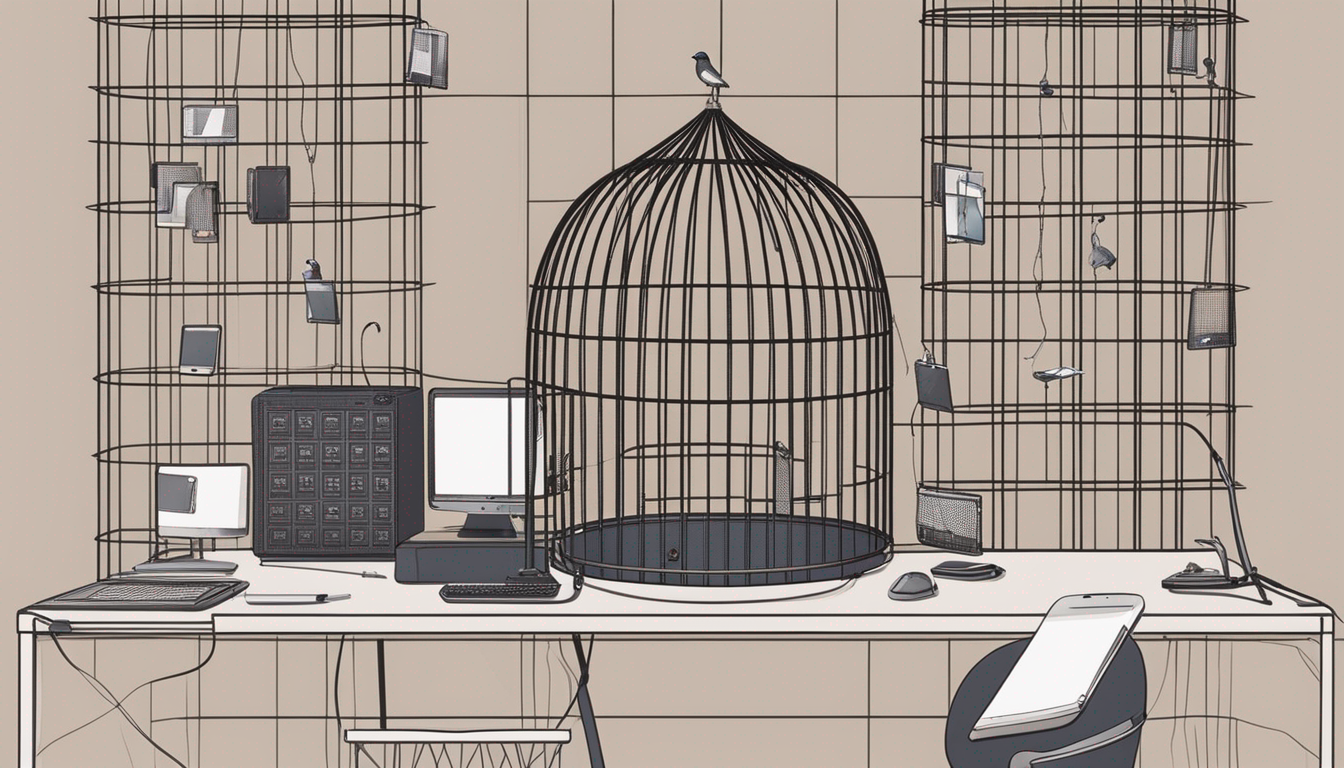
What if the most rebellious act of the next decade is a blank hour? Not a retreat, not a productivity system—just an hour with one thing in front of you and nothing else competing for the controls. We have spent years treating distraction as weather: inevitable, external, something to complain about but not change. The alternative is stranger than it sounds.
A Different Default
Imagine a near future where attention is treated like a budget, not a faucet. You don’t “find time” to read; you protect a window. You don’t answer every ping; you batch them. You don’t open five tabs to prove you’re working; you close four and finish the first. In this future, the status symbol isn’t being busy—it’s being unreachable for a purpose. The person who can sit with a single problem for forty minutes without flinching looks less like a mystic and more like a professional.
That future is not built by dramatic withdrawals. It is built by small refusals. One task written on a sticky note. One conversation without a second window open behind it. One walk without a soundtrack. The point isn’t purity; it’s practice. Attention is a muscle, and most of us have been training it to twitch.
The Cost of Constant Switching
Every switch has a tax. You may not notice the first one, but the residue accumulates: the half-finished thought, the re-read paragraph, the conversation you nodded through while composing a reply. We call this multitasking, but it’s usually rapid task-switching with worse memory. The hidden cost isn’t minutes. It’s depth—the feeling that you were present for your own day.
A digital detox, then, is not a dramatic cleanse. It’s an audit. What deserves a single lane? Which notifications are actually requests, and which are just someone else’s urgency leaking into your day? When you answer those questions honestly, you don’t need a cabin in the woods. You need a few firm edges.
The Practice, Not the Performance
The most useful version of this is almost boring. Put one thing in front of you. Set a timer for twenty-five minutes. When you reach for something else, pause. That pause is the whole game. You are not eliminating distraction forever; you are teaching yourself that a distraction can be noticed without being obeyed.
The future where people do one thing at a time won’t arrive through a new app or a moral awakening. It will arrive through repeated, unglamorous choices—and the quiet confidence that comes from finishing what you started.
Actionable Takeaways
- Choose one daily “single lane” block—25 minutes, one task, no second window—and protect it like a meeting with someone important.
- Audit notifications once a week: turn off anything that doesn’t require a decision from you today.
- End each session by writing the next single action, so tomorrow starts with a lane instead of a crowd.
🛍️ Recommended Products
We recommend products we believe in. Some links are affiliate links.This helps support our research at no extra cost to you
1. Code 01 Fortune Edition Diecast Car Toy Gift Set for Kids
12 Pack 1:64 Scale Model Cars with Stickers, Zinc Alloy Keychain & Display Box 💰 $18.99 | ⭐ 4/5
2. Barbie Girls’ Sensory Friendly
12-Pack T-Shirts Little Kid to Big Kid 💰 $19.99 | ⭐ 4.7/5