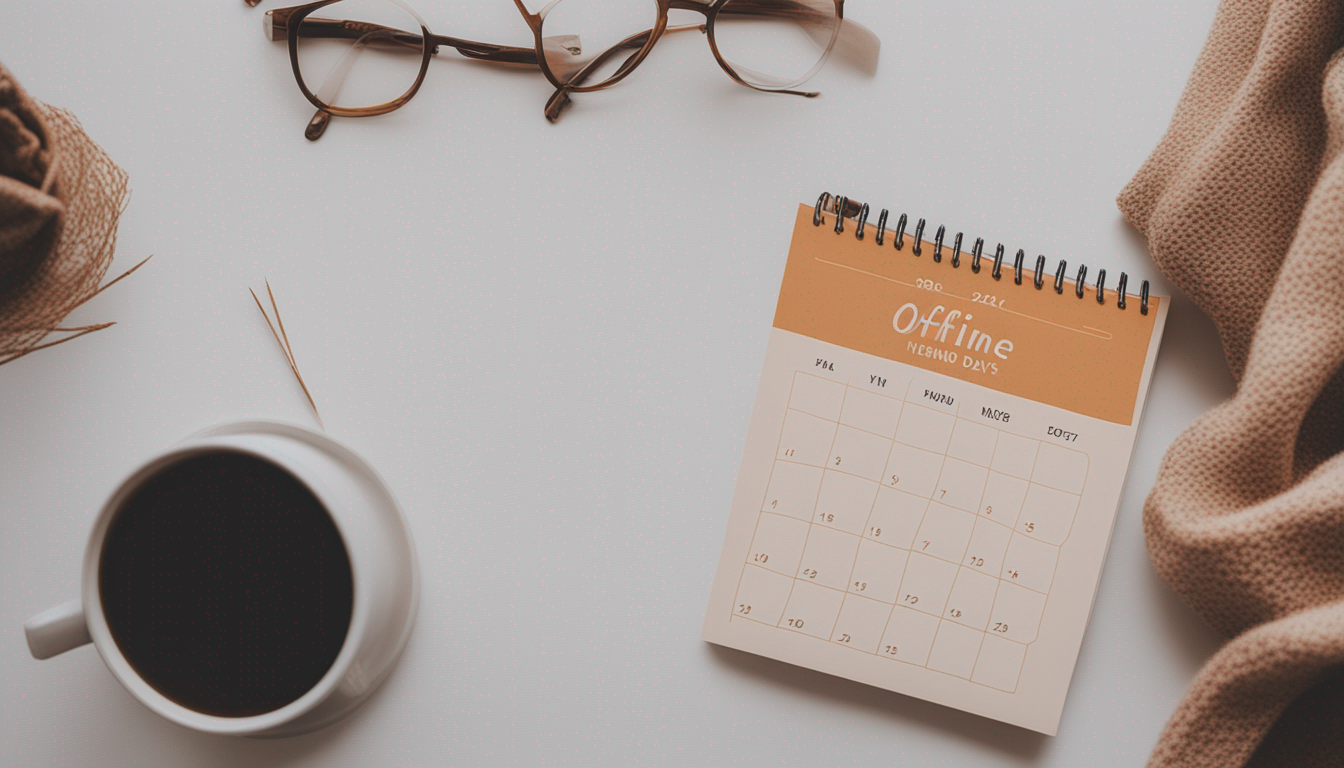
Imagine your mind as a quiet library, then picture a brass band marching through it every few minutes, unannounced. That’s what constant notifications do to your cognitive peace. Yet many of us reach for our phones fifty times a day not out of necessity, but out of a weird, twitchy anticipation we can’t quite name. The link between screen time and anxiety isn’t just about bad news or comparison spirals—it runs far deeper, into the very wiring of your brain.
The Slot Machine in Your Pocket
Behavioral scientists call it variable ratio reinforcement. In a classic experiment, pigeons peck a button far more obsessively when a reward appears at unpredictable intervals than when it arrives on a fixed schedule. Social media feeds, messaging apps, and even email operate on exactly this principle. You never know if the next pull-to-refresh will reveal a warm message, a juicy piece of gossip, or a dull notification—so you keep checking. This unpredictability hooks your attention, but it also leaves your nervous system in a low-grade state of vigilance. Your brain, primed to monitor for threats, treats every ping like a rustle in the bushes that could be a predator. The result is a background hum of cortisol that never quite dissipates.
The Comparison Trap and Emotional Contagion
When you scroll through a stream of carefully groomed moments, your brain engages in unconscious social comparison. Psychologists have long noted that humans gauge their own status not by absolute measures, but by how they stack up against their peers. Online, that translates into an endless stream of upward comparisons—someone’s promotion, a vacation photo, a perfectly styled living room. You aren’t just seeing those images; you’re involuntarily measuring your own life against them, often triggering a cascade of inadequacy. Even more insidious is emotional contagion: studies show that seeing expressions of panic or outrage in a post can transfer that mood to you within seconds, even if you don’t personally know the person. Your anxiety isn’t always yours; sometimes it’s borrowed.
The Attention-Residue Problem
Switching tasks isn’t free. Each time you glance at a screen mid-conversation or while working, a fraction of your attention sticks to the previous task—a phenomenon called attention residue. The mental tabs you keep open drain cognitive resources, leaving you feeling scattered and overwhelmed. Over a day, that buildup of half-processed information mimics the mental fog of sleep deprivation. Your brain interprets that fog as something to worry about, perpetuating the anxiety loop that sends you back to the very screen that caused it.
A digital detox isn’t about abandoning technology; it’s about reclaiming the psychological levers that keep you trapped. Here’s how to start recalibrating.
Replace Scrolling with a Sensory Reset. When the urge to grab your phone strikes, engage a non-digital sense instead. Run your fingers over a textured object, step outside and listen intently to the birds, or focus on the taste of a single piece of fruit. This shifts your brain out of abstraction and into the present, interrupting the anxious feedback loop.
Adopt a Single-Tab Mindset. Work on one thing at a time—not just on your computer, but in your browser. Keep one tab open, one conversation running, one task in focus. This reduces attention residue and trains your mind that it’s safe to be fully here now, which lowers the baseline anxiety that fuels over-checking.
Create a Digital Sunset. An hour before bed, put all screens in another room. Let your brain’s default mode network—the system responsible for introspection and emotional processing—activate without interference. You’ll wake up with a clearer sense of what actually matters, and less of the borrowed anxiety that kept you tethered.
🛍️ Recommended Products
We recommend products we believe in. Some links are affiliate links.This helps support our research at no extra cost to you
1. You Were Made to Make a Difference
An Interactive Teen Devotional to Finding Your Calling and Enacting Change 💰 $15.18 | ⭐ 4.6/5