How to Choose Flights That Actually Offset Carbon - AI Generated Illustration

How to Choose Flights That Actually Offset Carbon

A single round-trip flight from London to Bangkok releases roughly two tonnes of carbon dioxide — about as much as the average person in Kenya emits over four years. Book that trip, and the airline’s checkout page will cheerfully offer to “offset” it for the price of a sandwich. Whether that sandwich-sized payment accomplishes anything is where the climate travel conversation gets genuinely interesting. The Offset Skeptics Have a Point A growing camp of researchers and climate journalists argues that offsets function mostly as a permission slip. Many cheap credits fund tree-planting projects that burn, get logged, or never sequester the carbon promised. At a few dollars per tonne, they bear no resemblance to the real cost of carbon removal, which now runs into the hundreds per tonne. This school’s conclusion is blunt: the only honest carbon offset is a flight you didn’t take. Fly less, stay longer, and treat offsets as a last resort rather than a licence. ...


October 9, 2026 · 3 min
How to Pack for a Zero-Waste Trip - AI Generated Illustration

How to Pack for a Zero-Waste Trip

Your suitcase is not a storage problem—it’s a behavioral contract with your future self. Every item you fold into that bag is a small vote for the traveler you intend to become. The moment you decide to pack for a zero-waste journey, you step out of the role of tourist and into the mindset of a regenerative guest. Behavioral scientists call this the “intention-action gap”: we genuinely care about the planet, yet old habits hijack our hands. Packing triggers a scarcity reflex. The brain treats unfamiliar situations as potential threats, so we toss in “just in case” items—single-use plastics, extra layers, disposable conveniences—because uncertainty feels riskier than clutter. That pile of emergency what-ifs is not laziness; it’s your nervous system trying to protect you from imagined discomfort. ...

October 2, 2026 · 2 min
How I Planned a Carbon-Neutral Vacation - AI Generated Illustration

How I Planned a Carbon-Neutral Vacation

The biggest myth in climate-friendly travel is that carbon neutrality starts with a calculator. It doesn’t. It starts with a map, a calendar, and a willingness to be a guest instead of a consumer. When I set out to plan a trip that would leave the destination better than I found it, the first thing I abandoned was the idea that offsetting a flight would erase my footprint. The real wins were quieter, cheaper, and almost invisible to most travelers. ...

September 25, 2026 · 3 min
The Most Beautiful Eco-Lodges That Aren't Greenwashing - AI Generated Illustration

The Most Beautiful Eco-Lodges That Aren't Greenwashing

A lodge can have solar panels, a rainwater shower, and a menu of foraged herbs—and still quietly drain the village aquifer. The question isn’t whether a place looks sustainable. It’s whether it behaves like a guest or a landlord in its own ecosystem. Climate travel often confuses aesthetics with ethics. A bamboo facade and a compost bin photograph beautifully, but real regenerative tourism lives in the agreements you never see: who owns the land, who gets the jobs, where the water goes, and whose voices shape the project. When we ignore those layers, we end up rewarding greenwashing that feels good while deepening the very imbalances responsible for climate vulnerability. ...

September 18, 2026 · 3 min
Why Over-Tourism Is Killing the World's Best Destinations - AI Generated Illustration

Why Over-Tourism Is Killing the World's Best Destinations

There is a quiet sadness in visiting a place that has been loved to exhaustion. The narrow streets that once held daily life now hold queues. The coral gardens that once pulsed with color are pale and snapped. Over-tourism is not just an inconvenience; it is an active force of erasure. It prices out local families, strains water and waste systems, and converts living culture into a backdrop for selfies. The same airplane that brings curious travelers also spews carbon into the atmosphere, accelerating the very climate shifts that threaten coastlines, reefs, and alpine glaciers. ...

September 11, 2026 · 3 min
I Visited a Coral Reef Restoration Project — Here's What I Learned - AI Generated Illustration

I Visited a Coral Reef Restoration Project — Here's What I Learned

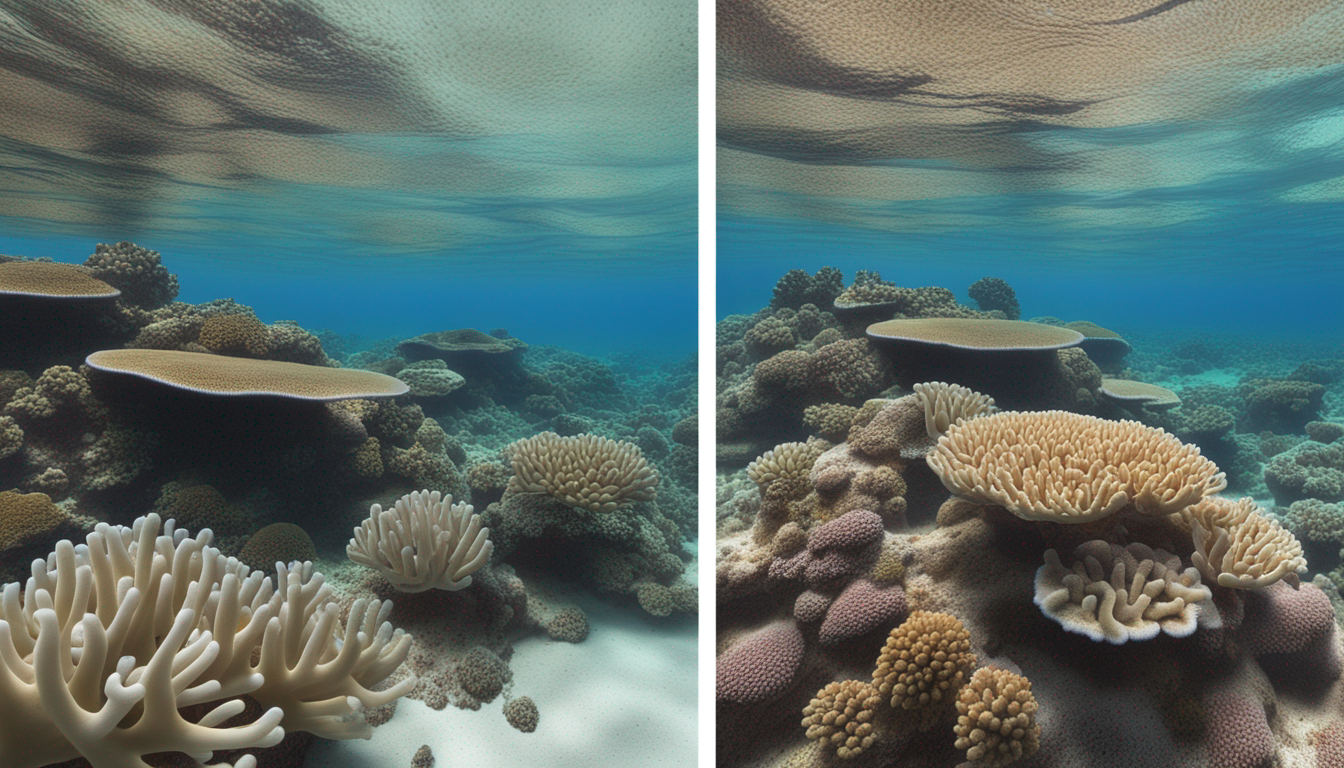
The first thing I noticed was the silence. Healthy reefs crackle with the snap of shrimp and the grunt of fish, but this shallow bay had gone quiet. Our guide handed me thick gloves and a tray of finger-sized coral fragments, each grown from a survivor of a bleaching event. That hour in the water rewired how I think about travel. Regenerative Tourism Is Not About Leaving No Trace Most sustainable travel advice stops at “take only photos, leave only footprints.” That is a passive goal. Regenerative tourism asks you to leave a place measurably better than you found it. At the coral nursery, that meant cleaning algae from nursery lines, removing invasive snails, and attaching new fragments to a degraded reef slope. ...

August 28, 2026 · 3 min
The Rise of Volunteer Tourism: Help While You Explore - AI Generated Illustration

The Rise of Volunteer Tourism: Help While You Explore

What if vacations were graded not by how many sights you saw, but by how many square meters of coastline you helped stabilize? That thought sounds radical, but it sits at the heart of regenerative tourism. Volunteer tourism—often called voluntourism—has quietly shifted from a niche gap-year pursuit into a serious lever for climate resilience. The core idea: your presence in a place should leave it more alive, not less. What If Travel Repaired Instead of Extracted? Imagine a near future, say 2037, where coastal communities no longer compete for the most sun loungers. Instead, they advertise seasonal restoration windows: “Monsoon dune-grass planting, June cohort,” or “Mangrove nursery tending, low tide only.” You arrive at a small fishing village not to escape your life, but to join a work crew. After a short training, you spend your mornings bundling native grasses, your afternoons learning how root systems hold shorelines against storm surge. Your guesthouse is a converted community center; your dinner includes fish from a reef that travelers helped replant a decade earlier. ...

August 21, 2026 · 3 min
The Traveler's Guide to Leaving No Trace - AI Generated Illustration

The Traveler's Guide to Leaving No Trace

Most travelers think leaving no trace means stuffing your snack wrapper into your pocket and skipping the souvenir seashell. That’s a good start, but it’s also the first major misconception. Climate travel and regenerative tourism ask a much harder question: What did you leave behind that you can’t see? Myth 1: Buying carbon offsets cancels out your flight This is the most comfortable lie in travel. Offsetting gives the illusion of erasing emissions, but trees take decades to absorb what your flight releases in hours. Worse, many offset projects double-count or fail to protect land permanently. Regenerative tourism flips the order: reduce the trip’s footprint first, then fund local restoration as a bonus—not a pardon. ...

August 14, 2026 · 3 min
How to Spot Genuine Eco-Certifications - AI Generated Illustration

How to Spot Genuine Eco-Certifications

I still remember the sting of standing in a “carbon-neutral” jungle lodge, watching the manager toss a stack of plastic water bottles into a bin headed for a burn pit out back. The leaf-shaped logo on their website had lulled me into a warm, smug glow—I’d booked based on that promise alone. But on the ground, the certification was wallpaper. No rigorous audit, no local wages above subsistence, just a clever marketing team in a distant capital. That night, I sat on my bamboo veranda and promised myself I’d never be misled again. ...

July 31, 2026 · 4 min
How Local Communities Are Redefining Tourism - AI Generated Illustration

How Local Communities Are Redefining Tourism

Fifty years ago, the typical traveler packed a suitcase, flew to a coastal resort, and spent two weeks lying by a pool. The local economy saw a sliver of that money—mostly from tips and trinket sales. Fast forward to today, and that model is crumbling, replaced by something far more intentional: regenerative tourism, where communities don’t just host visitors—they shape the entire experience, from the ground up. This shift didn’t happen overnight. In the 1970s and 80s, mass tourism exploded, bringing cheap flights and all-inclusive packages. Destinations like Bali, Thailand, and the Caribbean became playgrounds for the global middle class. But the costs were steep. Coral reefs bleached under the weight of boat traffic. Local farmers were pushed aside to make room for hotel chains. And cultural performances were reduced to 30-minute shows for camera-wielding tourists. By the 1990s, the word “overtourism” entered our vocabulary, and the cracks in the system were impossible to ignore. ...

July 24, 2026 · 3 min