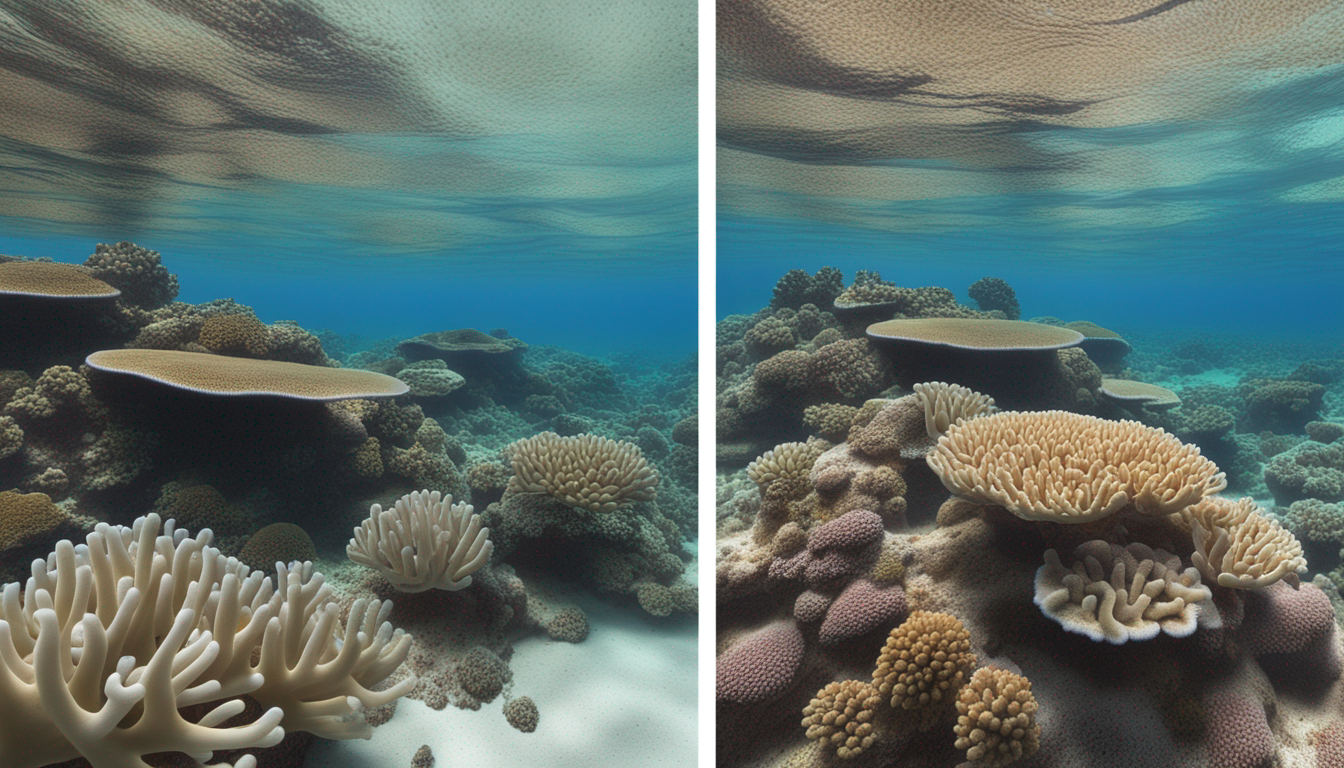
The first thing I noticed was the silence. Healthy reefs crackle with the snap of shrimp and the grunt of fish, but this shallow bay had gone quiet. Our guide handed me thick gloves and a tray of finger-sized coral fragments, each grown from a survivor of a bleaching event. That hour in the water rewired how I think about travel.
Regenerative Tourism Is Not About Leaving No Trace
Most sustainable travel advice stops at “take only photos, leave only footprints.” That is a passive goal. Regenerative tourism asks you to leave a place measurably better than you found it. At the coral nursery, that meant cleaning algae from nursery lines, removing invasive snails, and attaching new fragments to a degraded reef slope.
The operators used a simple three-step framework I now apply to any trip: learn, restore, verify. First, spend a half-day learning the local ecosystem’s baseline—what healthy looks like and what stressors exist. Second, do physical restoration work under supervision. Third, verify the impact by revisiting the same plot days later or reviewing long-term data. Without those three steps, you are just performing volunteer theater.
How to Pick a Legitimate Restoration Experience
I have wasted money on feel-good eco-tours before, so this time I asked harder questions. The difference came down to structure, not scenery. A credible program will show you its monitoring data, limit visitor numbers, and put locals in leadership roles.
A quick checklist I now use before booking any climate-focused trip:
- Does the project publish survival rates or restoration benchmarks?
- Are local biologists, fishers, or Indigenous guides leading the work?
- Is your contribution tied to a specific, measurable task—like planting a set number of propagules or removing a set weight of invasive algae?
- Will you see the results, not just a donation receipt?
If the answer to any of these is no, treat the “climate travel” label as marketing.
Why the Return Visit Matters Most
The most surprising lesson came three days later. We snorkeled back to the same restoration plot and found our fragments still upright, their polyps open and feeding. It was a small, fragile patch of hope, but it was ours. That follow-up visit is the step almost every tourist skips, and it is the one that cements the habit.
Regenerative travel is not about guilt or carbon math. It is about becoming a temporary steward of a place you love. When you leave, the current should be cleaner, the roots deeper, or the reef slightly louder than before.
3 Actionable Takeaways
- Use the learn-restore-verify framework on your next nature-based trip. Spend a morning learning the local baseline, do hands-on restoration, and schedule a follow-up visit before you book.
- Ask for survival rates, not promises. A legitimate project will share monitoring data and tie your visit to a measurable task, such as planting a specific number of native seedlings or removing a precise area of invasive species.
- Prioritize local leadership. Choose trips where resident scientists, fishers, or Indigenous guides run the work. Their long-term presence is what turns a one-day tourist visit into lasting regeneration.
🛍️ Recommended Products
We recommend sustainable travel options.This helps support our research at no extra cost to you
1. MyHalos® Sleep Mask for Men and Women
3D Blackout Eye Masks for Sleep | Sleeping Mask 💰 $9.99 | ⭐ 4.7/5