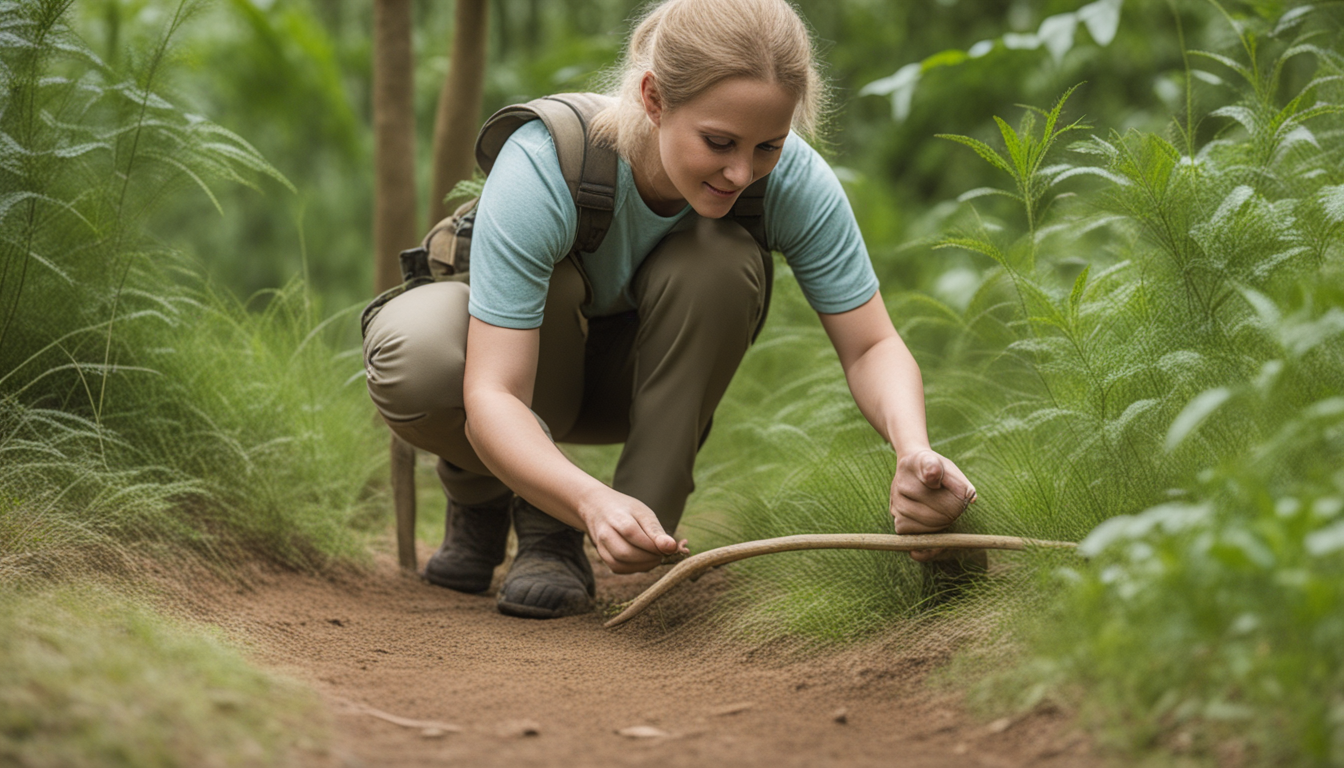
Fifty years ago, the typical traveler packed a suitcase, flew to a coastal resort, and spent two weeks lying by a pool. The local economy saw a sliver of that money—mostly from tips and trinket sales. Fast forward to today, and that model is crumbling, replaced by something far more intentional: regenerative tourism, where communities don’t just host visitors—they shape the entire experience, from the ground up.
This shift didn’t happen overnight. In the 1970s and 80s, mass tourism exploded, bringing cheap flights and all-inclusive packages. Destinations like Bali, Thailand, and the Caribbean became playgrounds for the global middle class. But the costs were steep. Coral reefs bleached under the weight of boat traffic. Local farmers were pushed aside to make room for hotel chains. And cultural performances were reduced to 30-minute shows for camera-wielding tourists. By the 1990s, the word “overtourism” entered our vocabulary, and the cracks in the system were impossible to ignore.
Then came a quiet revolution. Communities started asking hard questions: Who benefits from tourism? Who decides what travelers see? In places like Costa Rica, indigenous groups began mapping their own trails and setting visitor caps. In Scotland, crofters (small-scale farmers) launched homestay networks that kept money in rural valleys. The common thread? Locals reclaimed the narrative. They stopped being passive recipients of tourism and became its architects.
Regenerative tourism takes this a step further. It’s not just about minimizing harm—it’s about leaving a place better than you found it. Think of a traveler joining a mangrove restoration project in Mexico, where their entry fee funds local schools. Or a village in Namibia where tourists stay in huts built with traditional methods, and the revenue supports water conservation. The goal isn’t to freeze a culture in time, but to help it adapt—sustainably.
Where are we going? Expect more hyper-local experiences. Instead of booking a generic city tour, you might arrange a week-long homestay with a fishing family in Japan, learning to mend nets and cook seasonal catch. Technology will play a supporting role (think community-run booking platforms), but the heart of the experience remains human connection. The era of the “anonymous tourist” is fading. The future belongs to the curious traveler who asks, “How can I contribute?”
3 Actionable Takeaways
Prioritize community-led stays—Look for accommodations and tours explicitly run by local cooperatives or indigenous groups. Your money flows directly into the hands that shape the experience.
Ask “What’s the restoration plan?”—Before booking, inquire how the operator supports local ecosystems or traditions. Genuine regenerative tourism will have concrete answers, not vague promises.
Travel slower, stay longer—Spend at least a week in one community. This reduces your carbon footprint and allows you to build genuine relationships, which is the whole point.
🛍️ Recommended Products
We recommend sustainable travel options.This helps support our research at no extra cost to you
1. travel inspira Luggage Scale
Portable Digital Hanging Baggage Scale for Travel, Suitcase Weight Scale with Rubber Paint, 110 Pounds 💰 $8.99 | ⭐ 4.7/5
2. BIODANCE Bio-Collagen Real Deep Mask
Pore Minimizing, Elasticity, Plumping, Travel Essentials 💰 $19.00 | ⭐ 4.5/5