The Next Wave: Climate Travel 2027-2029
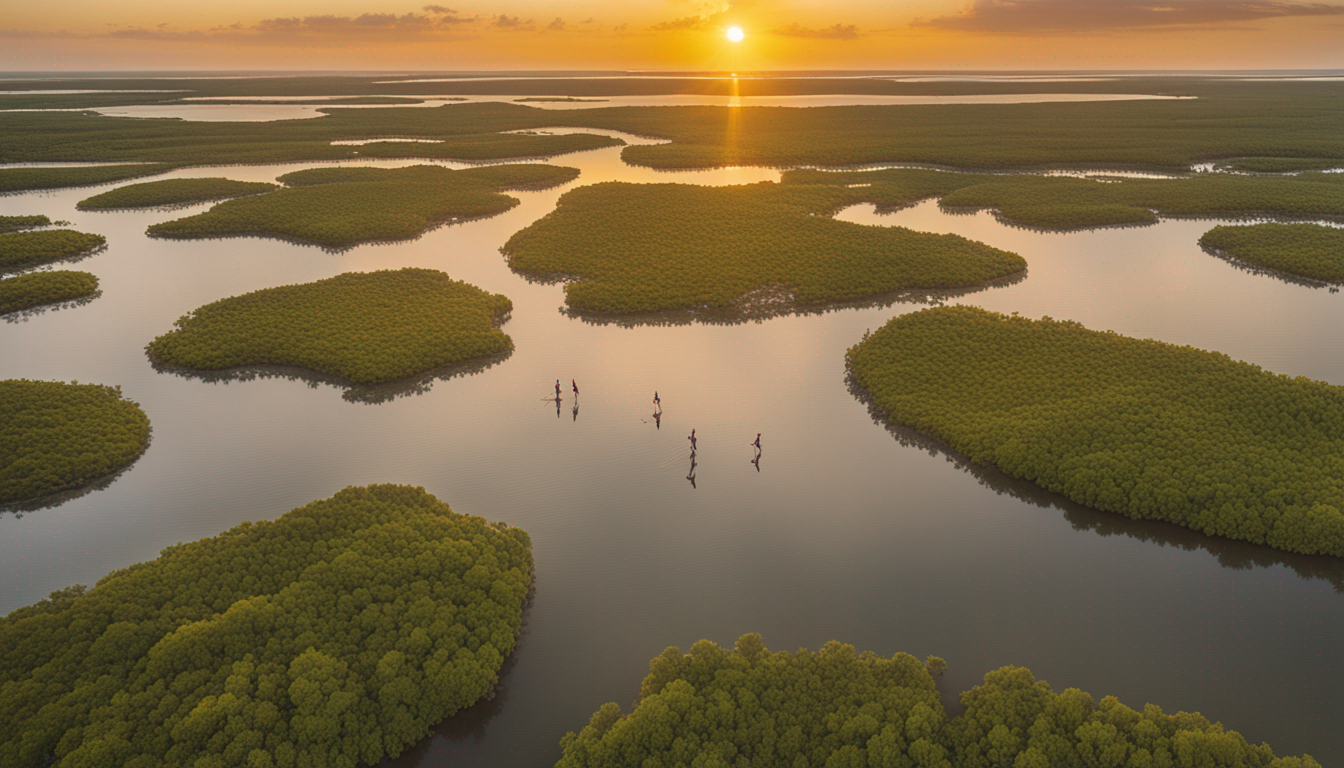
Picture this: You’re standing at the edge of a rewilded coastline in 2028, watching oyster beds filter the estuary while local guides explain how your visit directly funded their restoration. The air smells of salt and damp earth, not diesel. This isn’t just a vacation—it’s a bet on the future. Over the next three years, climate travel will shift from a niche aspiration to a mainstream expectation, driven by travelers who demand more than a guilt-free getaway. They want proof that their journey heals the places they love.
From Offsetting to Regenerative: A Necessary Leap
The early 2020s were dominated by carbon offsets—a concept that felt like a Band-Aid on a broken system. By 2026, most informed travelers recognize that buying offsets without changing travel behavior is akin to planting trees while clear-cutting the forest. The regenerative travel movement, gaining real traction by 2028, flips this script. It doesn’t just neutralize harm; it actively improves ecosystems and communities. Think of it as travel that leaves a place measurably better—richer biodiversity, stronger local economies, deeper cultural resilience.
What Makes Travel Truly Regenerative by 2029?
The key shift is from “less bad” to “more good.” Genuinely regenerative travel in the next few years will involve:
- Ecosystem restoration as a core activity: Instead of a passive tour, you might join a coral nursery project or participate in mangrove replanting that doubles as a carbon sink. The trip itself becomes part of a long-term recovery plan.
- Community-led governance: Local cooperatives will increasingly design and operate experiences, ensuring that profit stays within the community. Your spending directly supports local conservation teams, not distant shareholders.
- Transparent impact metrics: Forget vague “eco-friendly” labels. Expect to see third-party data on water usage, biodiversity gains, and community income distribution. Look for indicators like “net-positive biodiversity” or “local multiplier effect” rather than just carbon neutrality.
How to Evaluate Climate-Positive Options (2027-2029)
As greenwashing evolves, so must your scrutiny. Here’s a forward-looking checklist:
- Ask for the “before and after”: Demand to see baseline data. A regenerative project should have clear benchmarks—like “we’ve restored 200 hectares of wetland over three years” or “local incomes have increased by 30% since 2025.”
- Check ownership structure: Who runs the show? If the operation is majority-owned by a foreign corporation or a single investor, it’s likely extractive. Look for models where at least 50% of revenue stays with local partners.
- Look for “deep adaptation”: By 2029, the best climate travel will anticipate climate shifts. Is the destination investing in drought-resistant crops, relocating vulnerable infrastructure, or training locals in renewable energy? That’s regenerative adaptation.
- Avoid “poverty tourism”: If the experience involves tourists “helping” communities without local oversight, steer clear. Genuine models empower locals to lead, not serve as props.
The Hopeful Takeaway
The next three years will separate hype from substance. Travelers who learn to read beyond glossy brochures will find destinations that are not just surviving climate change but thriving despite it. The most powerful choice you can make isn’t to stop traveling—it’s to travel with intention. Every dollar spent can be a vote for a more resilient planet. The question isn’t whether to go, but how to go in a way that makes the world better for having been there.